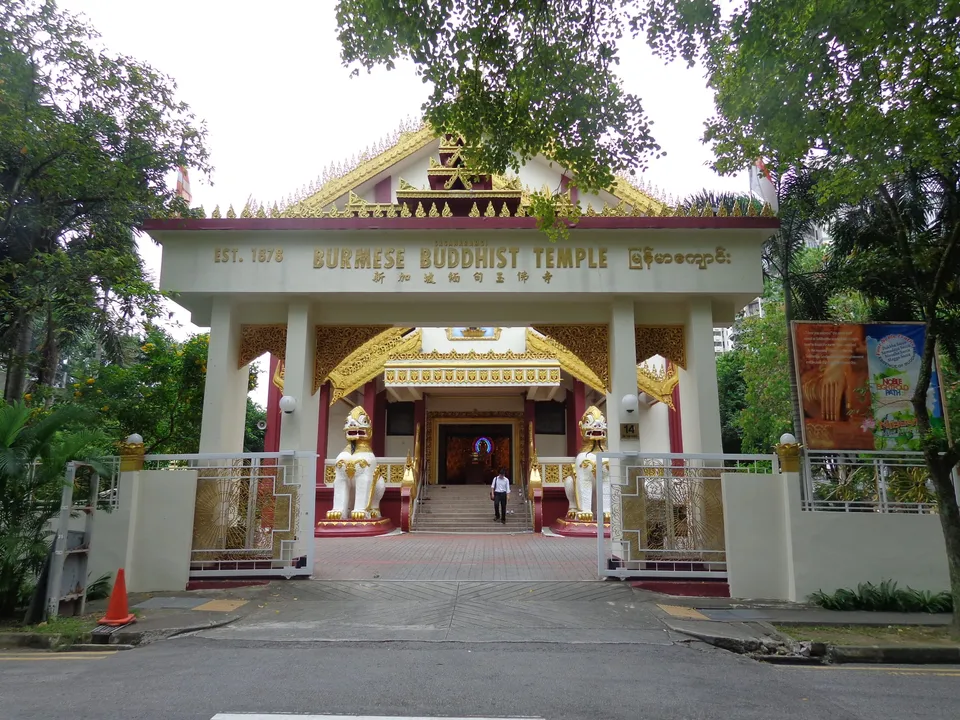
Burmese Buddhist Temple
Burmese Buddhist Temple and its ten-tonne marble Buddha
- Where
- Balestier & Novena
- Hours
- Daily 7am–6pm (may change on special event days and public…
- Price
- Temple is open to all
The Buddha was carved in Mandalay in 1918 and reached Singapore in 1921. It has been in no hurry since.
Come for twenty quiet minutes rather than a grand tour: the Burmese Buddhist Temple is small and calm, just off Ah Hood Road in Novena, and the reason to make the trip is a three-metre Buddha carved from Mandalay marble. It suits anyone near Balestier or Toa Payoh with a gap in the day, and children who can be shown something remarkable and then a tree. The compromise is scale: there is not much else to see, so pair it with lunch on Balestier Road. Dress modestly and be ready to take your shoes off.
The Buddha has the better back-story. U Kyaw Gaung, a Mandalay-born traditional physician who took over the temple in 1878 to bring Theravada Buddhism to Singapore, sourced a block of marble weighing more than ten tons from Sagyin Hill, about 50km north of Mandalay, a site prized for its stone. It was carved in Mandalay in 1918 and shipped to Singapore in 1921, paid for by his own earnings and public donations, with help from the Minn family and from Aw Boon Par, one half of the Tiger Balm brothers who built Haw Par Villa. Its first home was a shed called the Buddha Wehara. The finished figure stands about three metres tall and is described as the largest pure white marble Buddha outside Myanmar.
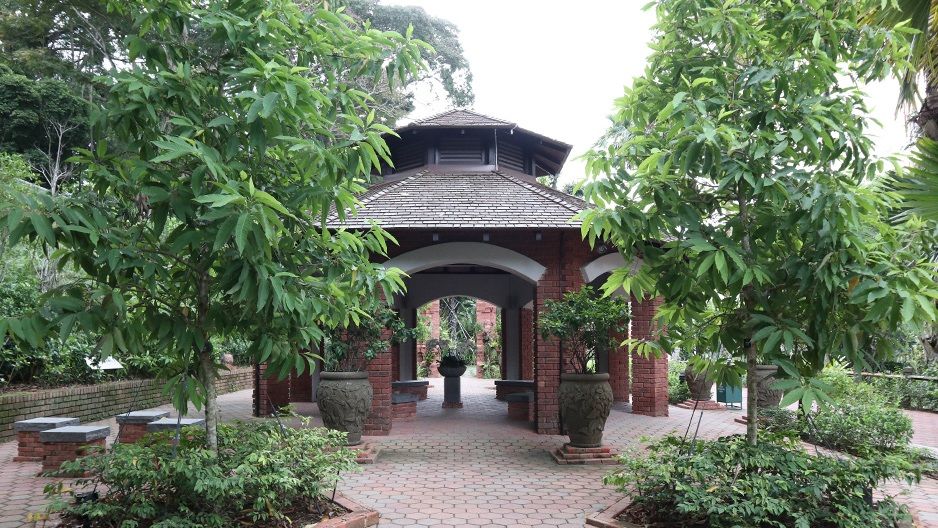
The temple itself was founded in 1875 by a Burmese man, U Thar Hnin. For more than a century it stood at 17 Kinta Road, off Serangoon Road, until an Urban Redevelopment Authority notice in 1981 set a move in motion; it relocated to Tai Gin Road in 1988, and the new building opened in 1991. A National Heritage Board plaque calls it the only Burmese Buddhist temple built outside Myanmar in the traditional Burmese style, and the teak carvings inside were donated from Myanmar. In the compound grows a Bodhi tree raised from a seed of the tree at Mangala Vihara, with a Buddha image beneath it. A small resident community of Burmese monks keeps up regular chanting, Dhamma talks and meditation.
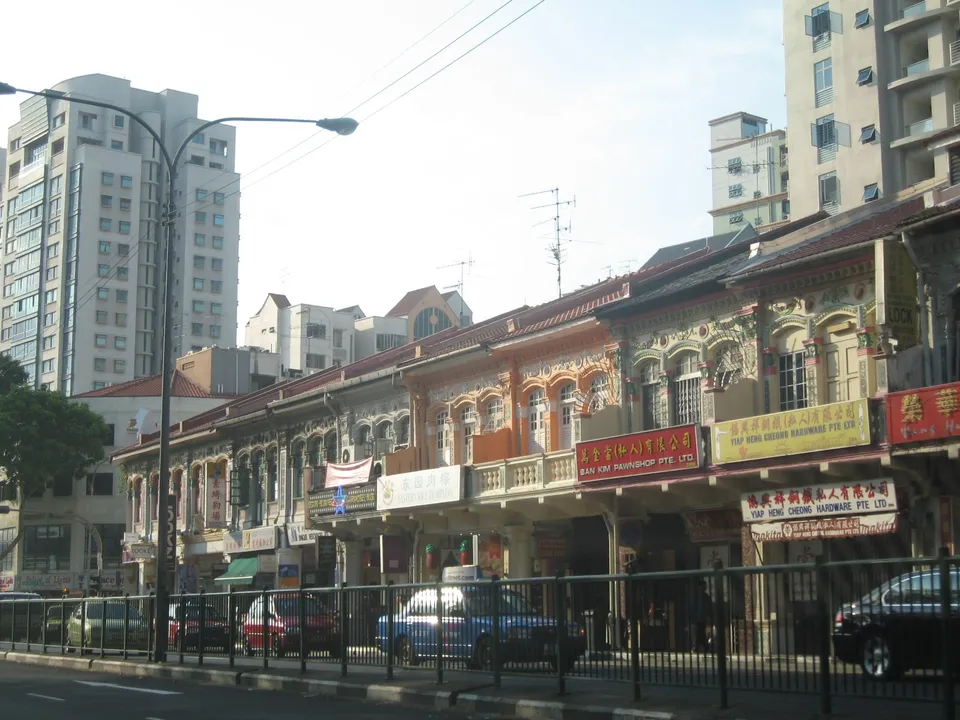
Timing changes the mood. The temple marks the Thingyan water festival, Vesak Day and the Kathina robe offering, so a festival visit is busier and more colourful than an ordinary weekday: come on a weekday for stillness, on a festival day for colour. The heritage board includes it, as the Maha Sasanaramsi Burmese Buddhist Temple, on its Balestier Heritage Trail, whose Faith, Film and Food route runs about 2.3km if you want to make a morning of it.
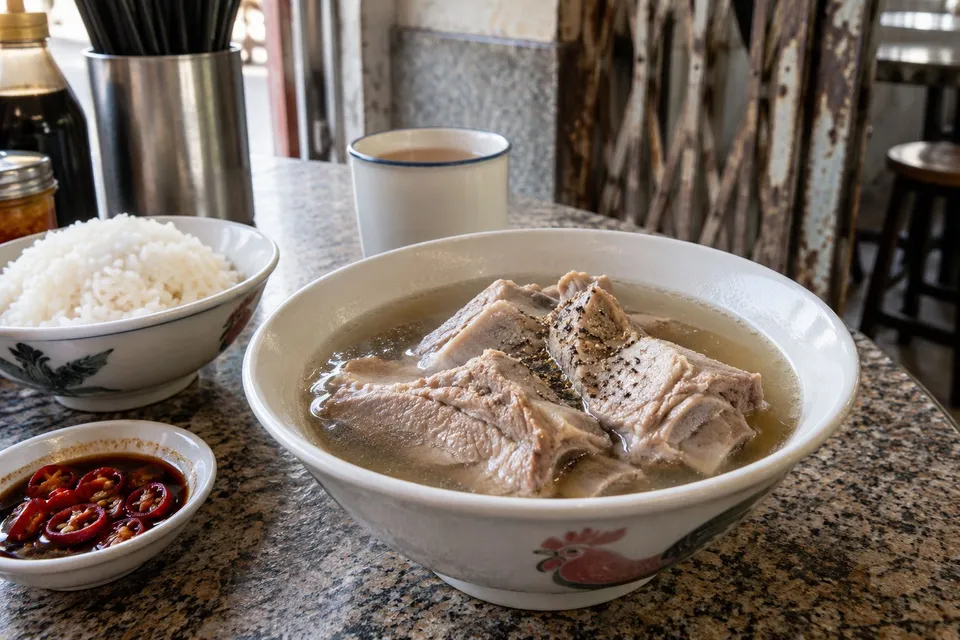
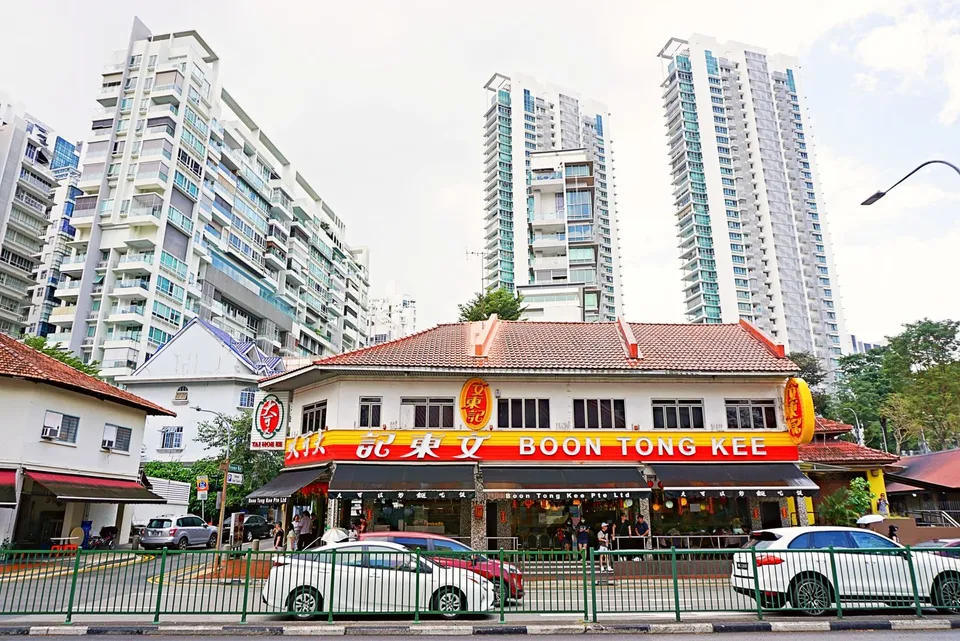
How to do it well: on a dry morning, walk from Toa Payoh MRT through Toa Payoh Town Park and over the PIE by overhead bridge, a better approach than it sounds. Show children the Buddha first and the Bodhi tree second, photograph respectfully, and finish with a bowl of bak kut teh on Balestier Road.
Good to know 14 Tai Gin Road. Hours can change on special event days and public holidays, so check before you go; dress modestly and be ready to remove footwear.
Burmese Buddhist Temple | 14 Tai Gin Road, Singapore
Plan your visit
- Where
- 14 Tai Gin Road, Singapore
- Opening hours
- Daily 7am–6pm (may change on special event days and public holidays)
- Cost
- Temple is open to all; no admission fee listed
- Good for
- A friend, A group, Myself
Details checked 11 October 2026.
- Burmese Buddhist Temple · Wikipedia
- Balestier Heritage Trail · Roots.gov.sg (National Heritage Board)
- Burmese Buddhist Temple · Time Out Singapore
- 8 Heritage Temples in Singapore to visit · Home & Decor Singapore
- Best temples in Singapore to visit with kids · HoneyKids Asia
- Burmese Buddhist Temple of Singapore · Penang Travel Tips
- Price source
- Opening hours
- Opening hours (official)
Researched from the sources listed, not a first-hand review. Prices, hours and access can change — check the official site before you go.