Cundhi Gong Temple
Cundhi Gong Temple is Keong Saik's smallest treasure
- Where
- Keong Saik & Duxton
- Hours
- Daily 8am–5pm
- Price
- Free to enter
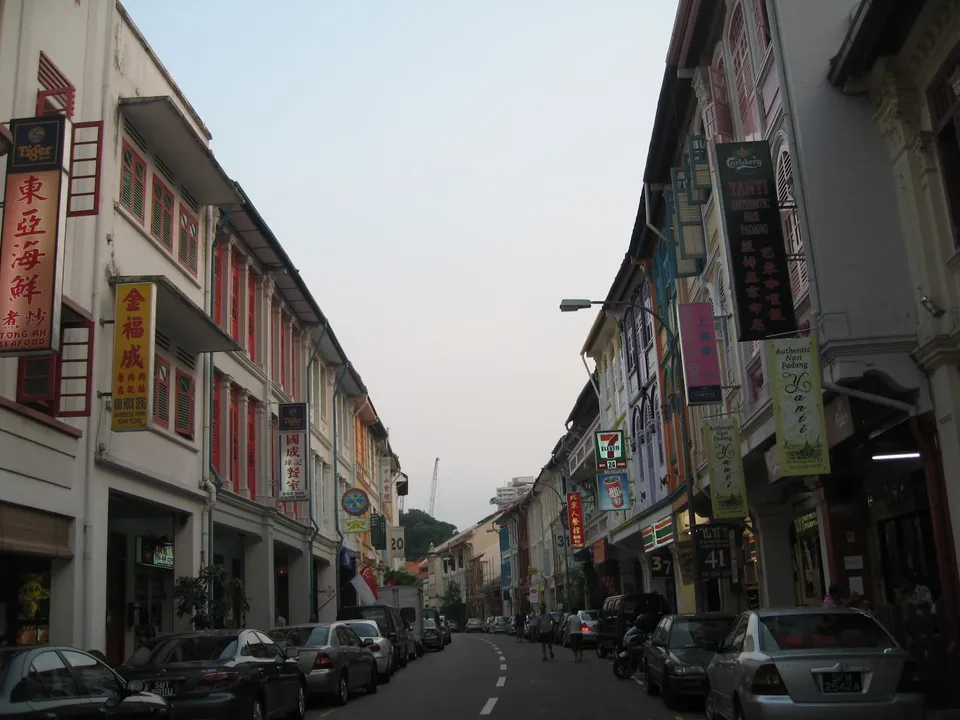
The bars on Keong Saik Road change every few years. The temple at number 13 has been there since 1928.
Cundhi Gong is worth five slow minutes on the way to dinner on Keong Saik Road, and most people walk straight past it. Go in daylight, before the bars open, look up at the roof ridge and the trusses, and treat it as the working temple it is: dress modestly, keep your voice and your camera down. The compromise is scale. This is not a temple to spend a morning in; it is a small building with an unusual amount of detail, and the detail is the reason to stop.
Why it stands out
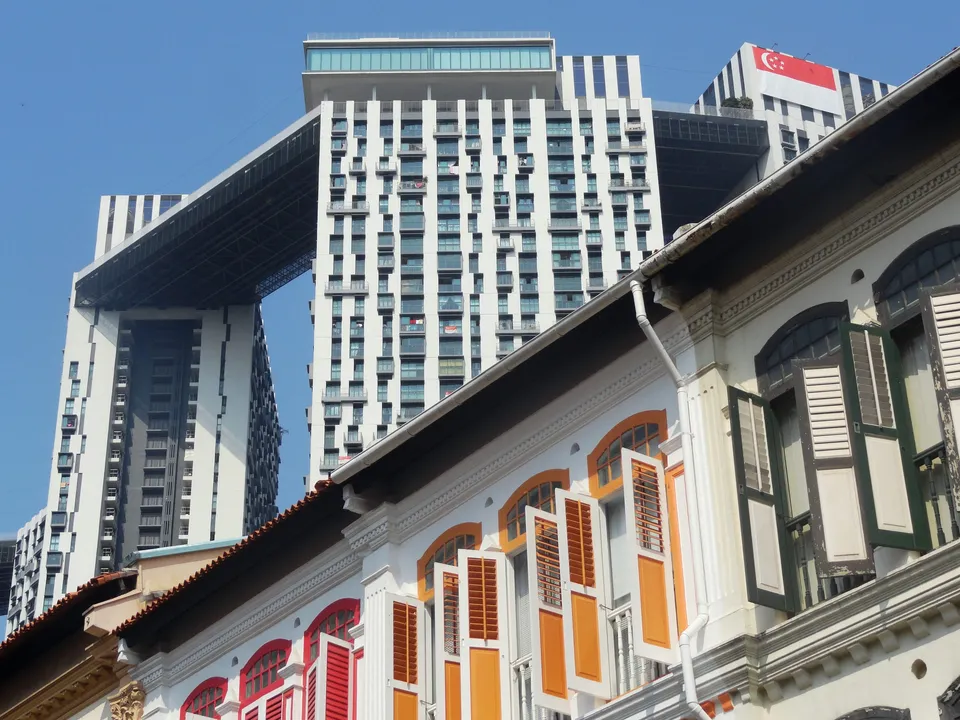
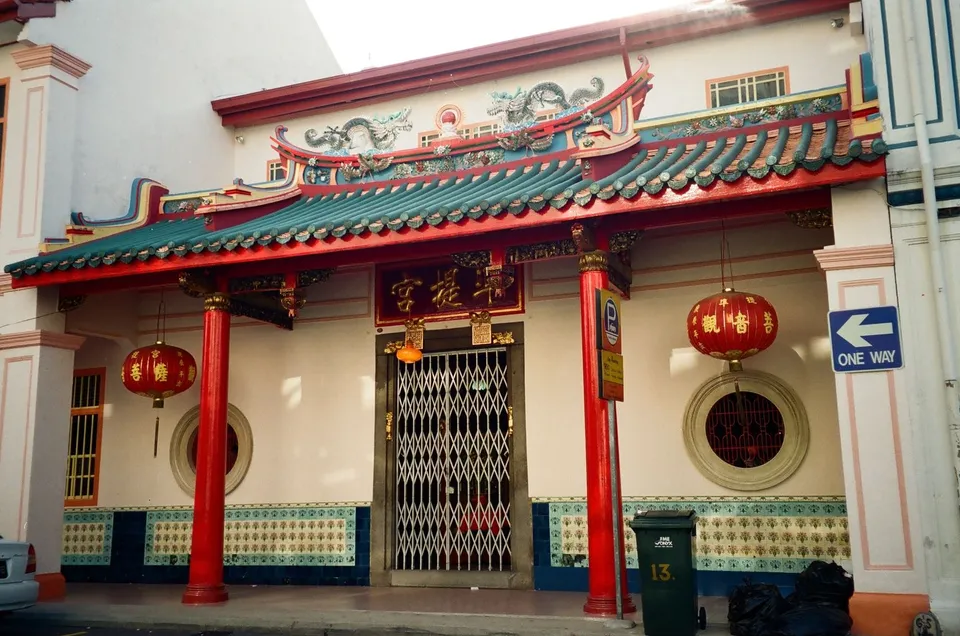
Squeezed between taller shophouses at 13 Keong Saik Road, this small Buddhist temple was completed in 1928 and is dedicated to the 18-armed Cundhi Bodhisattva. It is in the Nanyang style, a blend of Hokkien Chinese and shophouse architecture: two storeys, about 400 square metres and no forecourt, which is why it is so easy to miss from the pavement.
Look up first. The roof ridge carries porcelain dragons flanking a "blazing pearl", with phoenixes and flowers below. Then look along the five-foot way, lined with floral tiles by the Belgian maker Gilliot & Cie, and overhead at the timber trusses, covered in carvings and Chinese landscape paintings. The front windows are framed in terrazzo, which was unusual for a Chinese temple. Inside, the columns and walls are covered in mosaic tiles added decades ago, and lotus-shaped capitals sit on European-style bases. Behind the main prayer hall are a smaller hall and an open courtyard, the part most visitors never reach.
The history that matters
It began as a branch of a Guan Yin temple on Upper Chin Chew Street, since demolished, and is now affiliated with Kwan Im Thong Hood Cho Temple on Waterloo Street. In the 20th century, Cantonese majie, women from Shun Tak in Guangdong who took vows of celibacy and worked as domestic helpers, came here to worship and to take those vows. Knowing that changes how the small rooms read.
The street around it has changed several times over. Keong Saik Road was named in 1926 after the Malacca-born businessman Tan Keong Saik, was a notorious red-light district in the 1960s and is now best known for bars and boutique hotels. The temple was gazetted for conservation in 1989 as part of the Bukit Pasoh Conservation Area, and it has carried on through all of it without needing to reinvent itself, which is more than the street can say.
How to do it well
Come during its daytime hours rather than on the way to a late dinner, when it will be shut. Outram is the nearest MRT. Stand across the road first for the roof ridge, then cross over for the tiles and trusses, and step inside quietly if worship is going on. Five minutes, if you look up; fifteen, if you go through to the courtyard.
Good to know 13 Keong Saik Road; Outram is the nearest MRT. Open daily during daytime hours and free to enter. Dress modestly, and check opening times before you go.
Cundhi Gong Temple | 13 Keong Saik Road, Singapore
Plan your visit
- Where
- 13 Keong Saik Road, Singapore
- Opening hours
- Daily 8am–5pm
- Cost
- Free to enter
- Good for
- A friend, A group, Myself
Details checked 11 October 2026.
- Keong Saik Road · Wikipedia
- Cundhi Gong 準提宫 · Chinatown.sg
- Heritage building: Cundhi Gong Temple, small in size but big on design features · Home & Decor (first published in The Straits Times)
- Cundhi Gong Temple · Wikipedia
Researched from the sources listed, not a first-hand review. Prices, hours and access can change — check the official site before you go.