Balestier and Novena: Sugar cane, revolutionaries and bak kut teh
Temples in the morning, bak kut teh at noon: an old plantation road with a revolutionary villa, a ten-tonne marble Buddha and Art Deco shophouses above the lighting shops.
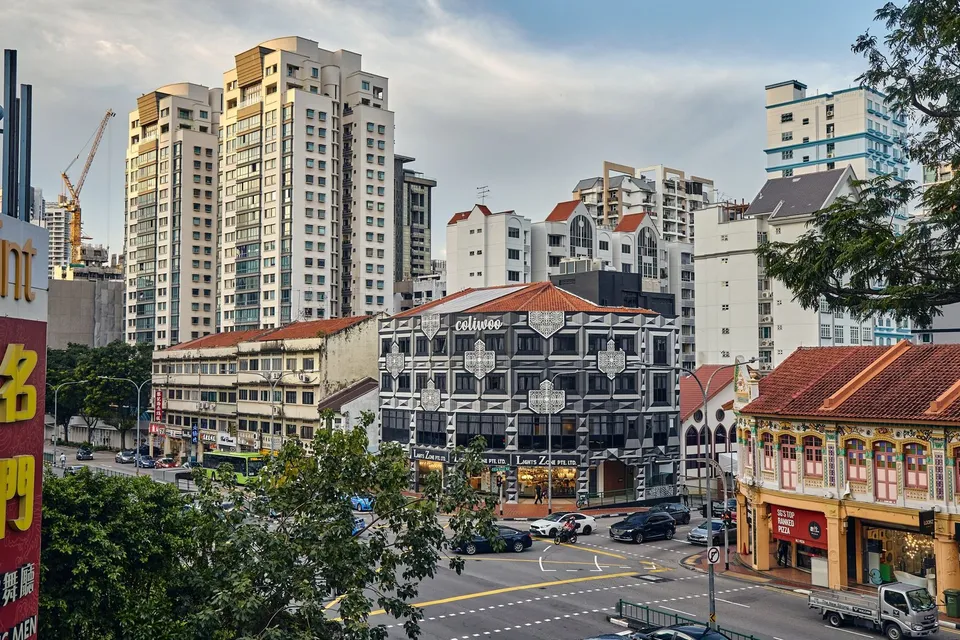
Most people come to Balestier Road for a light fitting. The better reasons are older, and some of them come in a bowl.
Give Balestier a late morning and a long lunch, and go on a weekday. It's a long road of shophouses and lighting shops with no MRT station of its own, so it rewards people who don't mind a bus ride: anyone who likes their history with a side of soup, and the Novena office crowd who have already worked out the route. Temples first while it's cooler, bak kut teh at noon, tau sar piah for the ride home.
Best forHeritage WalksBak Kut Teh LunchesTemple VisitsOld-School BakeriesNovena Lunch Breaks
The walk · A morning and lunch, about three hours
Plantation road, revolution villa
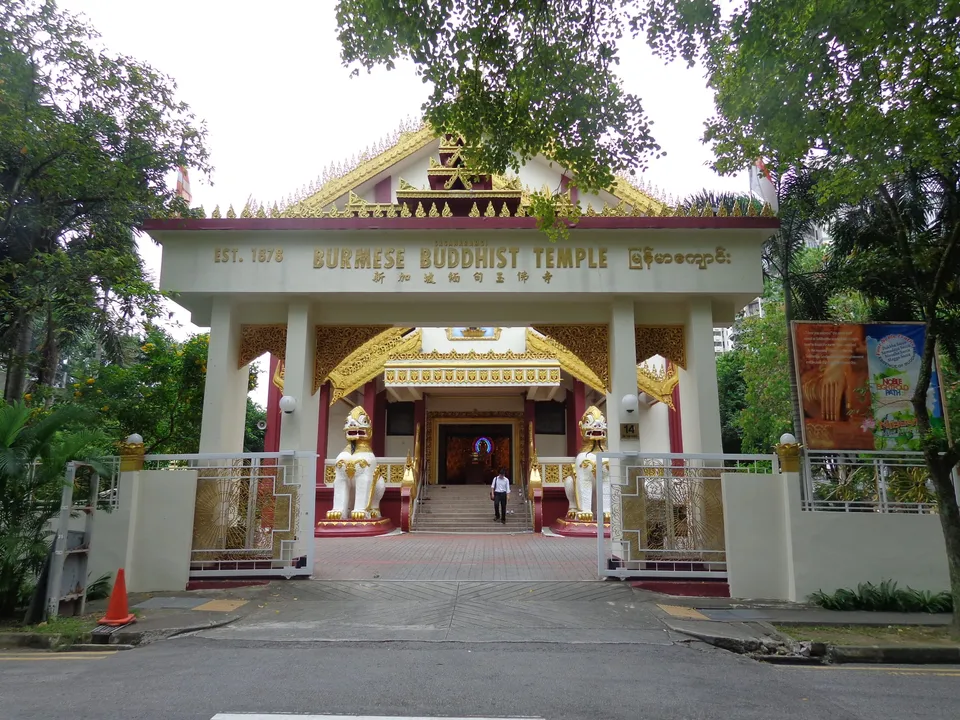
Burmese Buddhist Temple
Start at 14 Tai Gin Road, off Ah Hood Road, while it's still cool. The three-metre marble Buddha was completed in 1918 and brought to Singapore in 1921, and it's the single most striking thing on this walk. It's a working temple, so dress modestly and keep your voice down.
Sun Yat Sen Nanyang Memorial Hall
Next door at No. 12. The villa is closed for restoration and expected to reopen in 2027, so for now this is a look from the gate: worth two minutes for where the Tongmenghui met in 1906, not worth a separate trip until it reopens.
Goh Chor Tua Pek Kong Temple
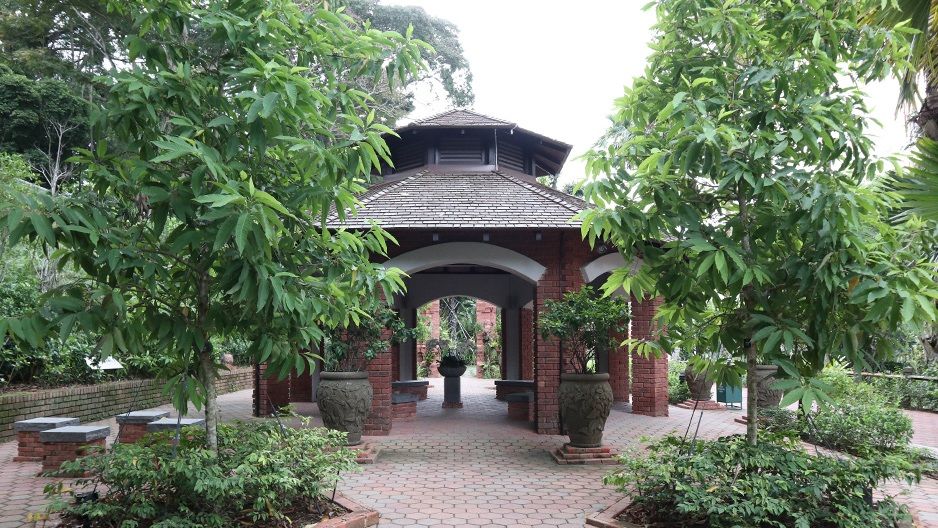
Back on Balestier Road, the temple Chinese labourers built in 1847 is one of the oldest survivors of the plantation era and older than almost everything else on the road. Step in quietly, and don't linger if prayers are under way.
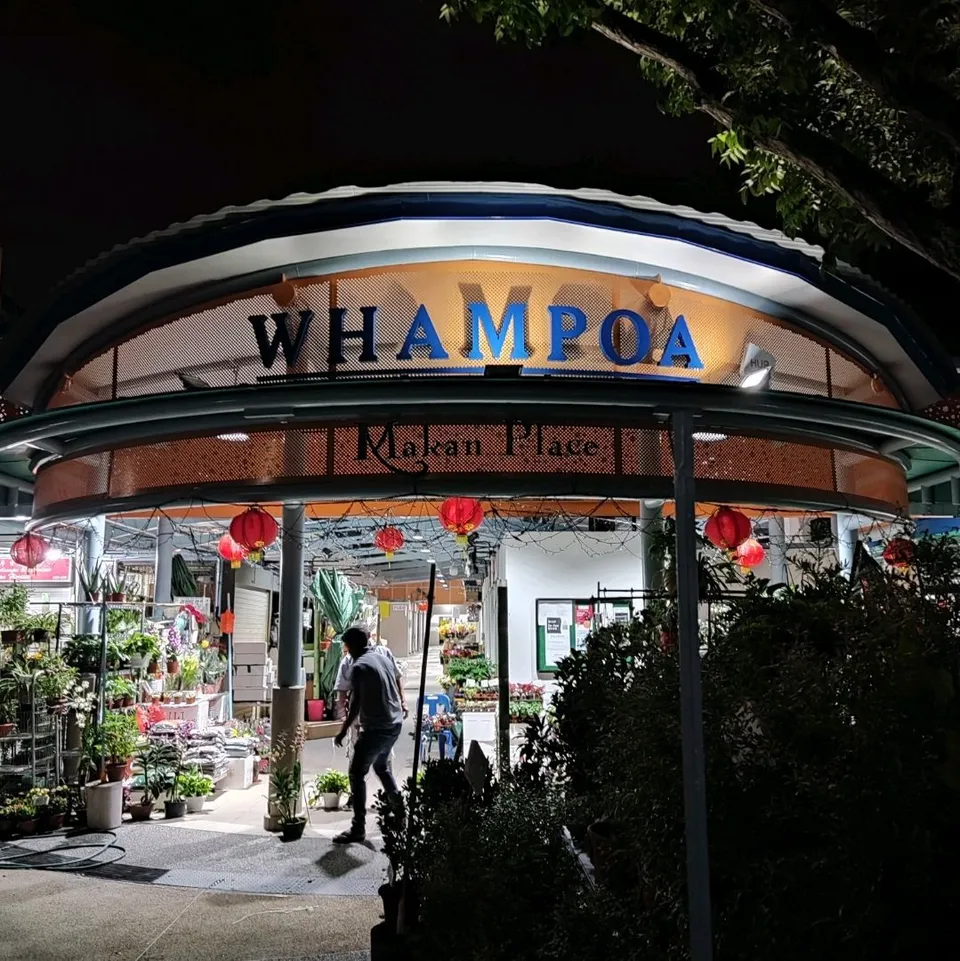
Balestier Road shophouses
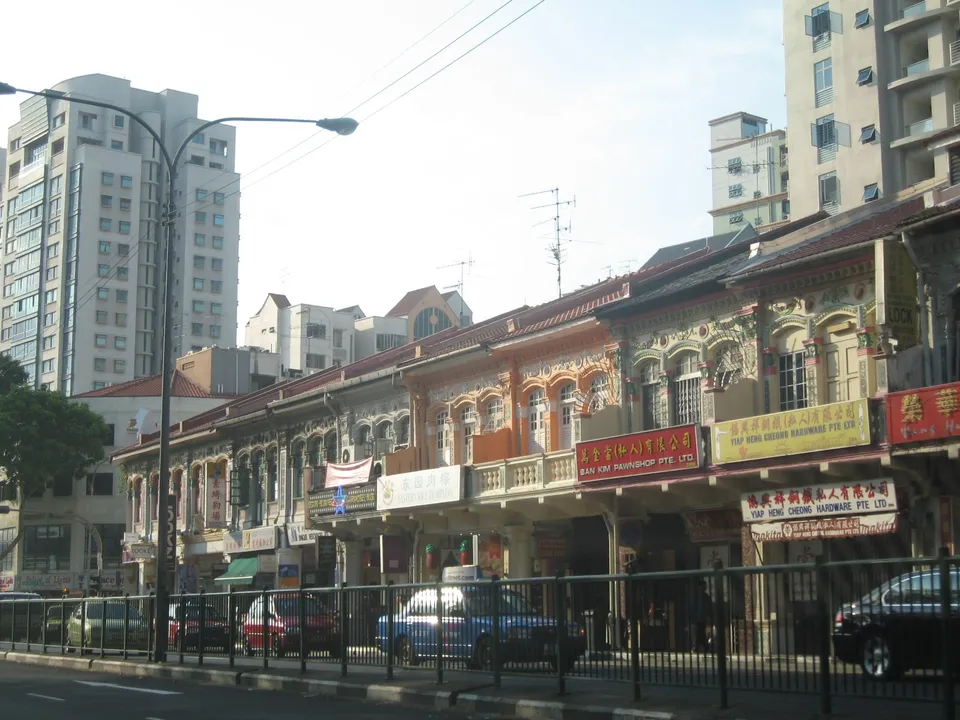
Walk the road and look up past the lamp displays: the Sim Kwong Ho and Kwan Yow Luen shophouses and the Art Deco apartment blocks are the ones to spot. Almost nobody on the pavement is looking above the chandeliers, which is your advantage.
Lunch on Balestier Road
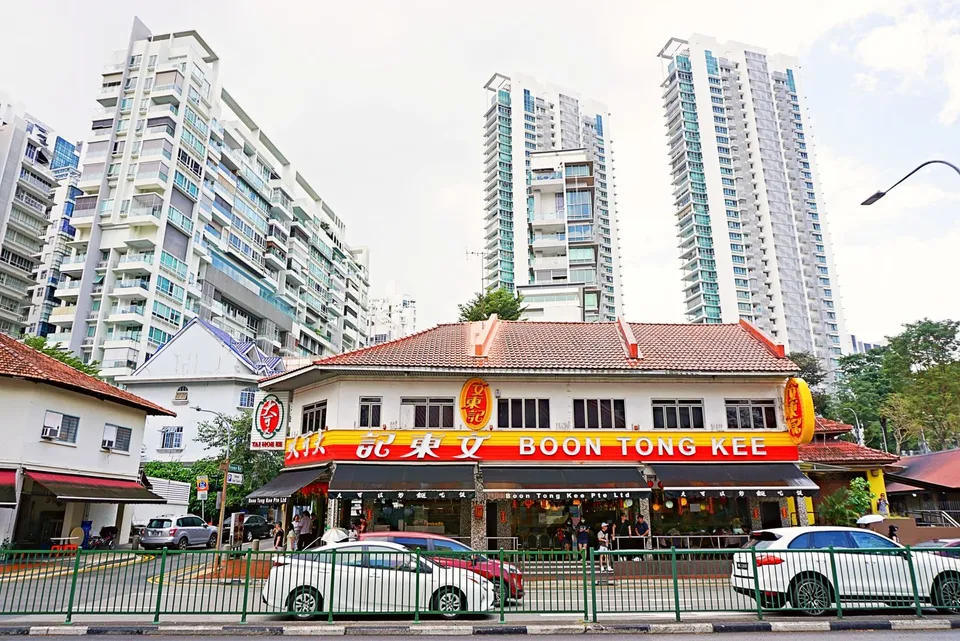
Pick your camp: boiled chicken at Boon Tong Kee (No. 399–403) or bak kut teh at Kai Juan (No. 395). They are a few doors apart, so the loser becomes next week's lunch. Either way, finish with tau sar piah from Loong Fatt at No. 639 for the ride home.
What reviewers say
At Boon Tong Kee, order the boiled chicken and nothing clever; it comes in three sizes, so size up rather than adding sides.
Sit in at Loong Fatt rather than taking away: the wooden booths still look like the 1960s, and that is half the pleasure of the place.
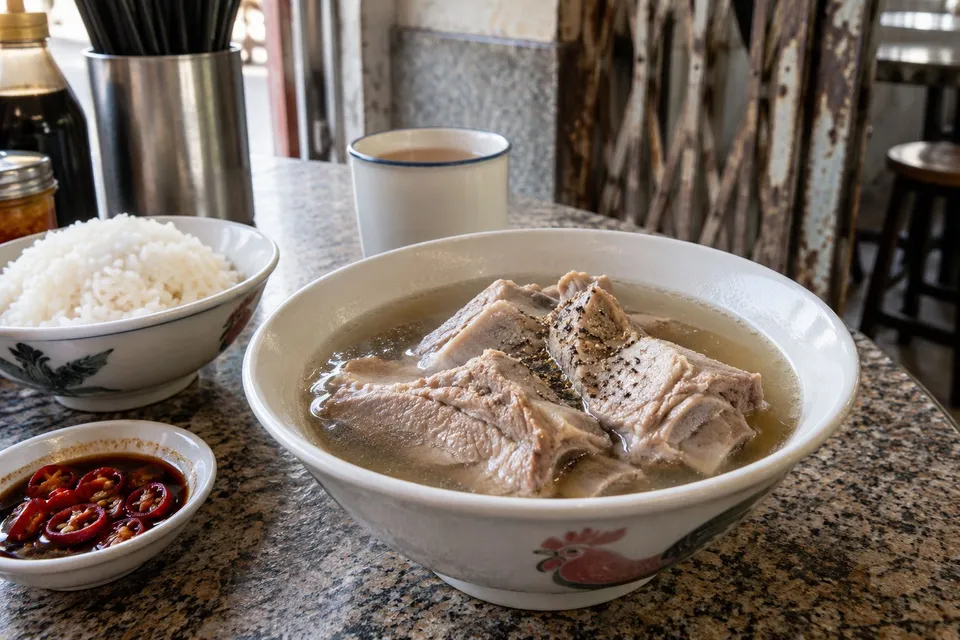
If you like your bak kut teh clear and peppery, the classic Teochew style, Kai Juan is your bowl.
Try Balestier Bak Kut Teh for the sugar cane in its broth; on a road built on sugar, it's the obvious comparison bowl.
The Balestier bakery that started the road's tau sar piah habit, with a butter-rich crust the copies never quite matched. Buy a mixed box, and eat one salty on the spot in a 1960s booth.
The original Boon Tong Kee, a restaurant since 1983 and the branch with the Bib Gourmand (won in 2025, kept for 2026). Order boiled chicken for the table and fill in with zi char.
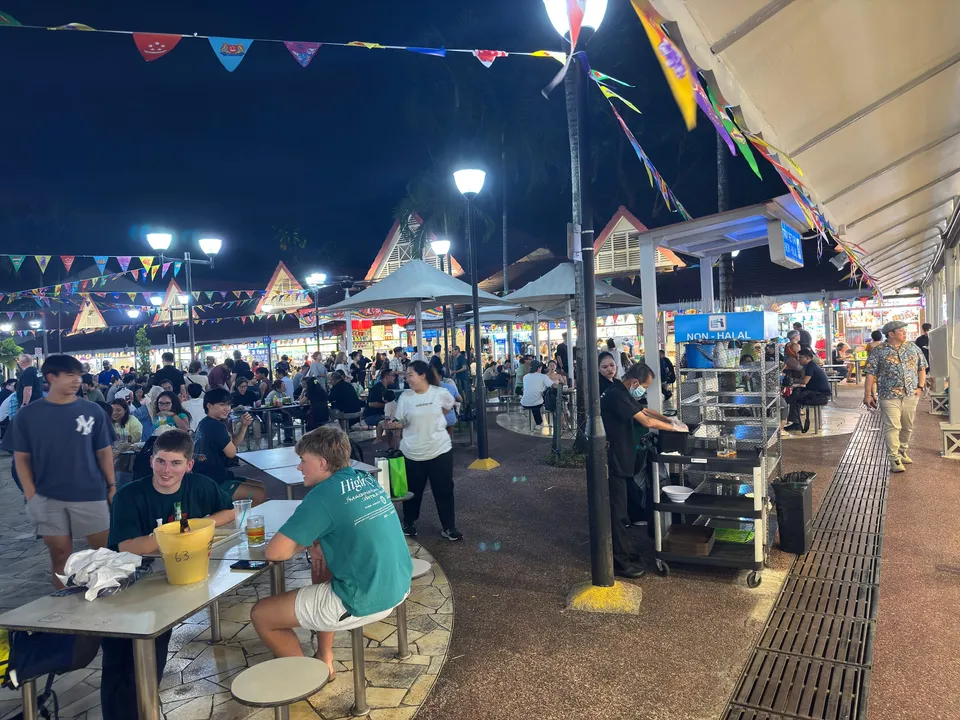
Two blocks, two clocks: breakfast and the wet market in Block 91, lunch to supper in Block 90. Get the building right, go early and check your stall's trading days first.
Newton has a reputation and five stalls on the 2025 Bib Gourmand list. Both are earned, so order from the list and agree the seafood price before anything hits the wok.
A small Theravada temple off Ah Hood Road built around a three-metre Buddha, carved in Mandalay in 1918 from more than ten tons of marble. Twenty quiet minutes, well spent.
Where: Balestier & Novena
Price: Free
The story of Balestier & Novena
The road is named after Joseph Balestier, who set up a plantation here in the 1830s. It did not end well: after the deaths of his son and his wife in the 1840s his health failed, he sold up, and the land was leased to Chinese farmers growing taro, lime and more sugar cane. Chinese labourers built the Goh Chor Tua Pek Kong Temple in 1847, and it is still here. Over the following century the fields filled in with shophouses, clubs, schools, hospitals and temples, plus a handful of Art Deco apartment blocks.
Two buildings on Tai Gin Road, off Ah Hood Road, carry the bigger stories. The villa at No. 12, built in 1901, became the Southeast Asian headquarters of Sun Yat Sen's revolutionary Tongmenghui in 1906; Sun visited Singapore nine times between 1900 and 1911. It is now the Sun Yat Sen Nanyang Memorial Hall, a national monument. Next door, the Burmese Buddhist Temple houses a three-metre Buddha carved from more than ten tonnes of marble from Sagyin Hill, near Mandalay. Nearby, the Shaw Brothers studio that became Malay Film Productions made Malay-language films until 1967.
Then lunch, which is the real reason the road is busy at noon, and where you have to pick a side. Kai Juan serves Teochew-style bak kut teh, clear and peppery; Balestier Bak Kut Teh puts sugar cane in its broth, which on a road named after a sugar planter we choose to read as a nod to the plantation days. Boon Tong Kee has done boiled chicken here since 1983 and holds a Bib Gourmand for it, and Loong Fatt bakes tau sar piah in a 1948 bakery-kopitiam that still looks the part. Eat at one, argue about the other, and leave with a box of pastries.