HDB's first whole town still has its dragon, its tree shrine and, more to the point, its breakfast.
Toa Payoh is a morning neighbourhood. Come early for a hawker breakfast, then spend the rest of the morning walking it off past a dragon, a tree shrine, a 1970s town park and one of Singapore's grand old monasteries. It's flat, walkable and full of the kind of heartland detail you only notice on foot, which makes it good for families with small children and anyone who likes a nostalgic photo walk.
Best forHawker BreakfastsHeartland HeritageFamilies with Small ChildrenNostalgic Photo WalksMonastery Visits
The walk · A morning, about three to four hours
Carrot cake, a dragon and a tree that wouldn't fall
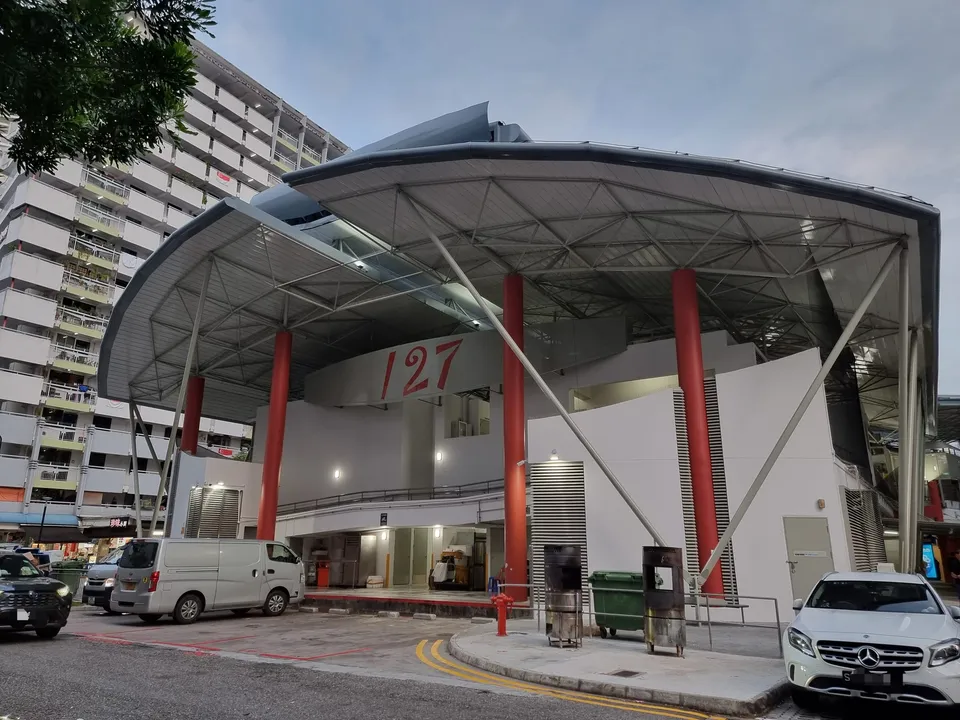
Toa Payoh West Market & Food Centre
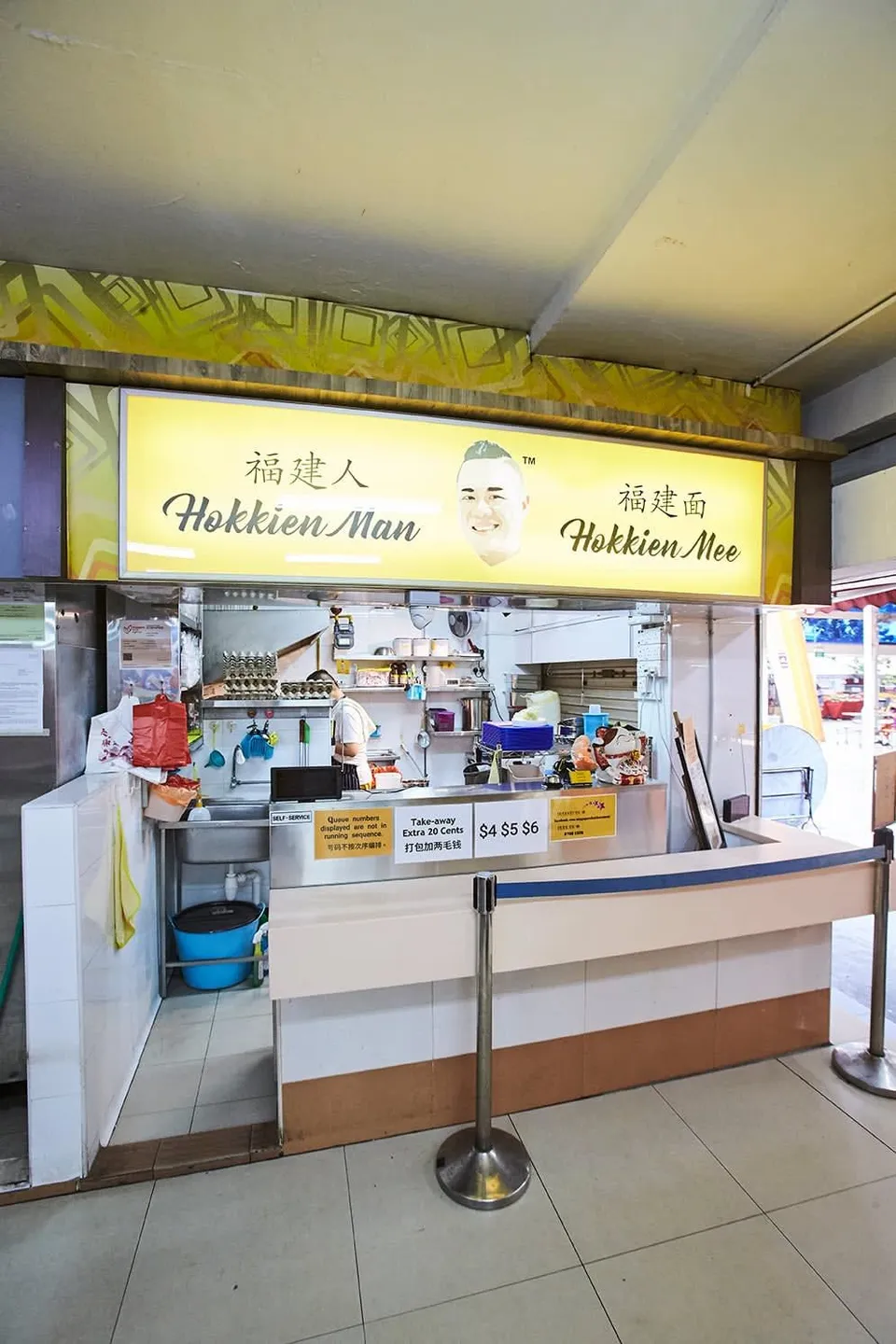
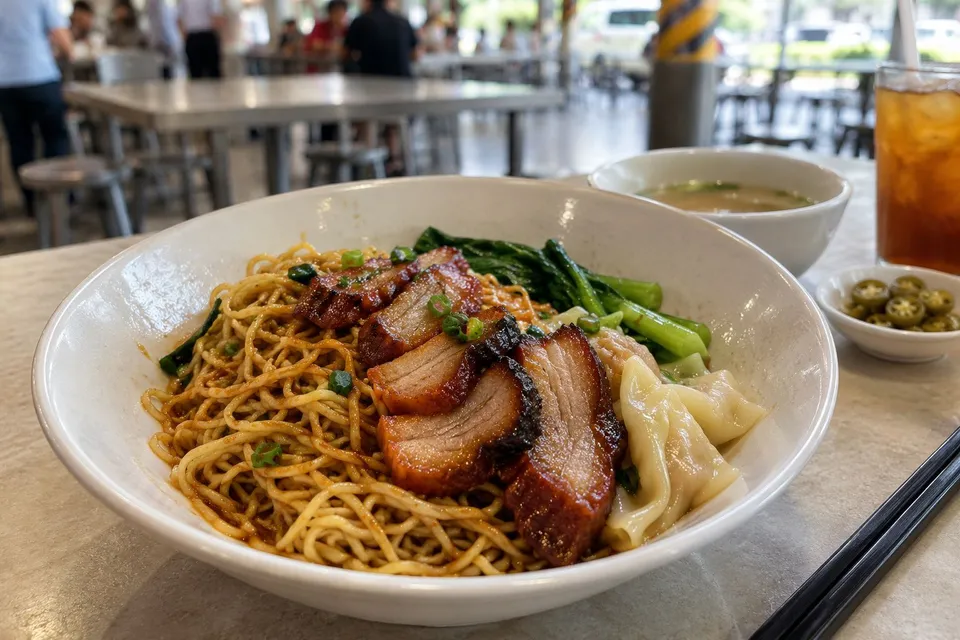
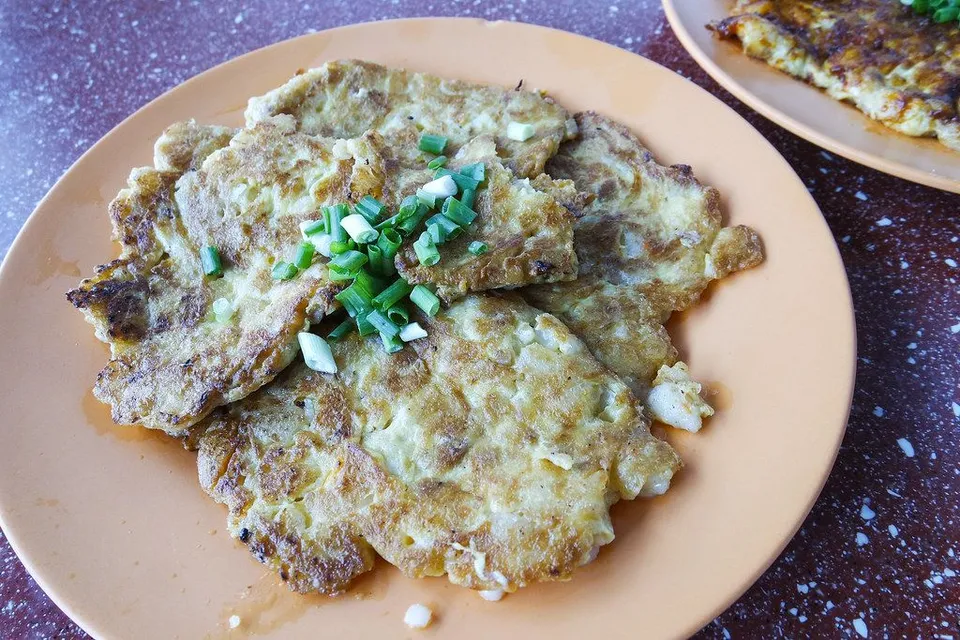
Start upstairs at Block 127 Lorong 1. Chey Sua (#02-30) fries its carrot cake to order, so put your order in first, then queue at Come Daily for Hokkien mee that's wet but not soupy. Two queues, one breakfast: efficient.
Dragon Playground
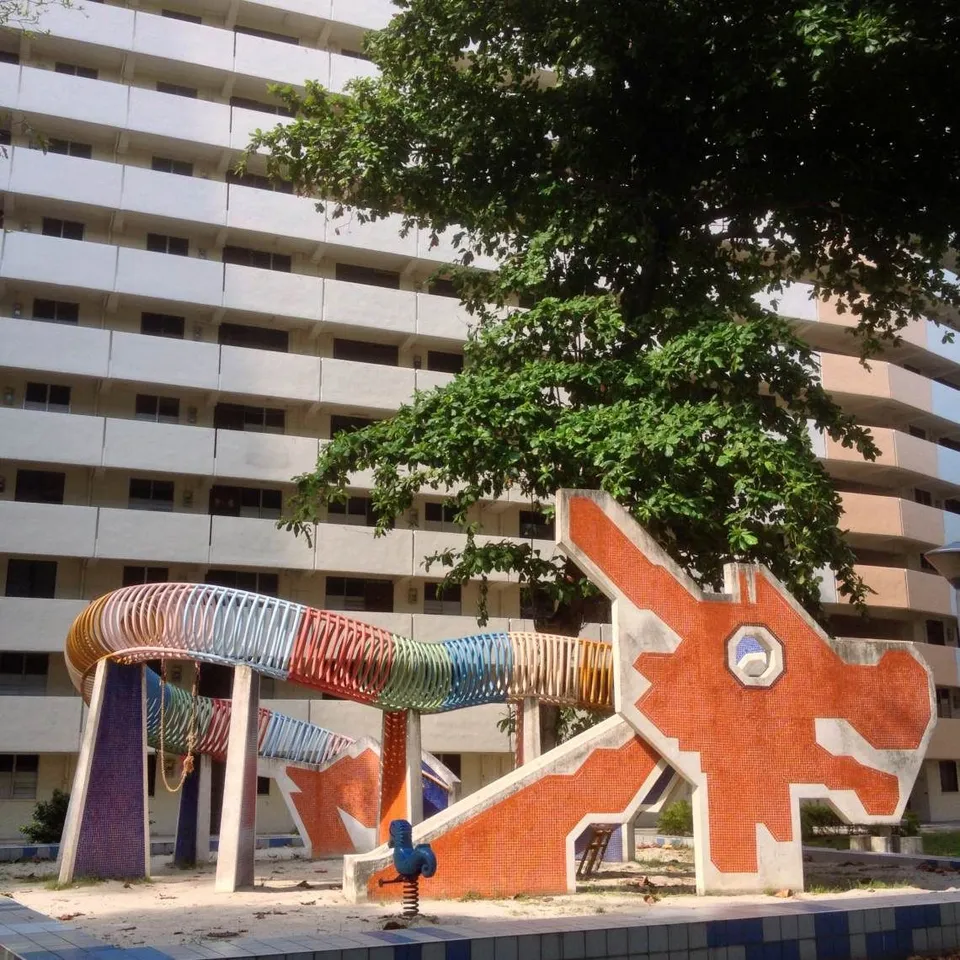
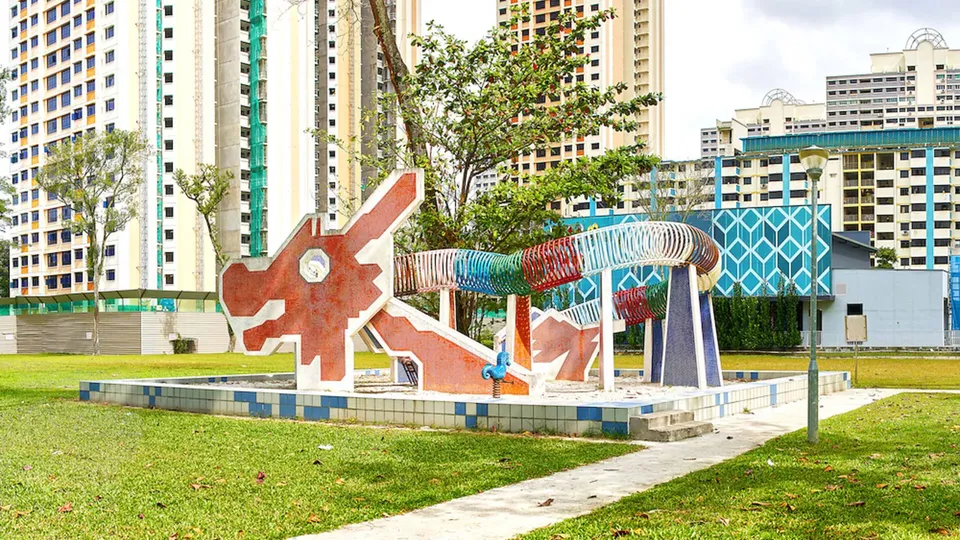
At Block 28 Lorong 6, Khor Ean Ghee's 1979 dragon still guards its sandpit. Children no longer slide down its back, but the head and steel rings are there to climb; a mini version sits at Block 240 Lorong 1.
'Ci Ern Ge' Tree Shrine
Near Blocks 177 to 179 in Toa Payoh Central. The shrine was founded in 1969 around a tree that, local legend says, the bulldozers couldn't fell; a storm finally brought it down in 2013, and the shrine was rebuilt against its trunk.
Toa Payoh Town Park
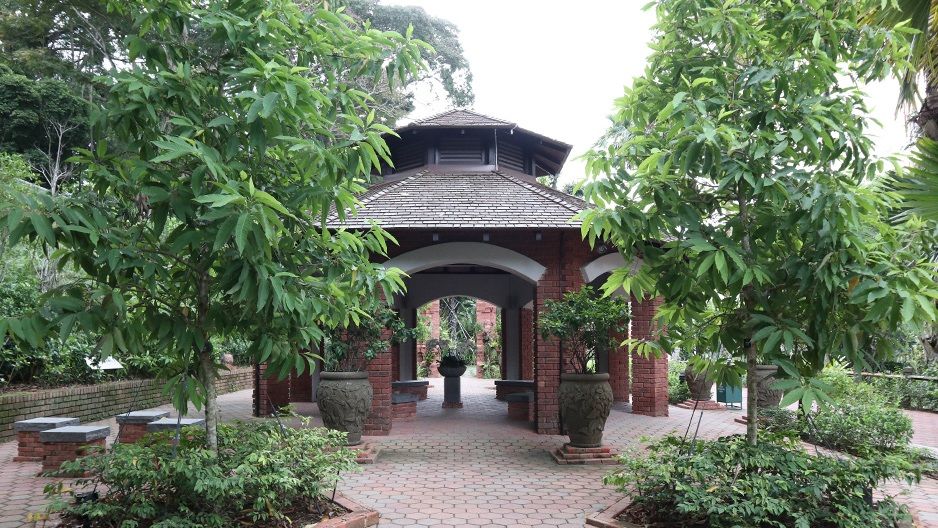
Opposite HDB Hub: stone bridges, ponds and gazebos from 1972, and a lookout tower that's now closed to the public. The wedding photographers knew a good backdrop, so bring a camera.
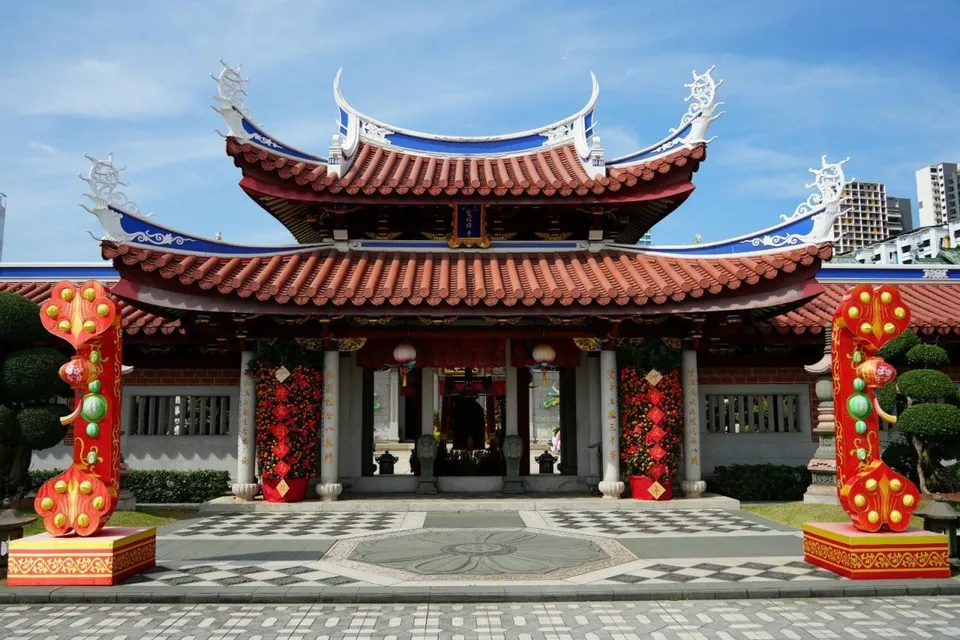
Lian Shan Shuang Lin Monastery
Finish at the monastery, completed in 1907 and modelled on Xi Chan Monastery in Fuzhou. Look up at the 9m Mountain Gate before you go in, and keep your voice down; it's a working place of worship.
What reviewers say
At Chey Sua, order before you do anything else. The carrot cake is fried to order, so the wait is built in; spend it queuing somewhere else.
Pack a change of shorts for small children: the Lorong 6 dragon still has its sandpit.
At the tree shrine, look for the trunk the shrine was rebuilt against after the 2013 storm. The legend outlived the tree.
The town park's lookout tower is closed, but the stone bridges and ponds below it still make the backdrop. Go in the morning, before the light flattens.
Hokkien mee from a former Les Amis sous-chef, with a prawn stock built like a lobster bisque. Go to the Toa Payoh original early: it runs lunch only, shuts on Wednesdays and can sell out.
Char siu from a chef who held a Michelin star, on Hong Kong jook sing noodles in a Toa Payoh industrial canteen. Bib Gourmand in 2026. Go early on a weekday, with cash.
Wet-style Hokkien mee fried by the same family since 1968, with the lard fried in the broth itself. Go early with a friend; it closes at 2pm and shuts Mondays and Tuesdays.
White carrot cake and nothing else, fried to order by two sisters who won't rush it. Bib Gourmand in 2026. A Toa Payoh breakfast, Wed–Sun only, worth setting the alarm for.
One of Singapore's oldest Buddhist monasteries, completed in 1907 with craftsmen and materials from China. A National Monument among Toa Payoh's HDB blocks; give it an unhurried hour.
HDB’s 1979 terrazzo dragon, one of the few Khor Ean Ghee playgrounds still standing, sandpit included. Free and open-air: bring small children and a bucket in the late afternoon.
Where: Toa Payoh
Price: Free
The story of Toa Payoh
Breakfast first. Upstairs at Toa Payoh West Market, Chey Sua fries its white carrot cake to order and holds a Bib Gourmand, and Come Daily has been frying Hokkien mee since 1968. Over in the Jackson Square industrial estate, Chef Kang's Noodle House does a Bib-listed wanton mee. Most market stalls wind down around midday, so this is not a neighbourhood that rewards a lie-in.
The name doesn't flatter: in Hokkien, toa payoh means "big swamp", and before that the area was known as Ang Chiang San, "burial hill", after an old cemetery. Until the 1960s it was a sprawling squatter district where most people farmed and kept pigs. Clearance began in 1964, and in its place HDB built its first satellite town, a self-contained estate with a central hub and neighbourhoods that each had their own shops and community centres. Queenstown, built by the colonial Singapore Improvement Trust, came first, but Toa Payoh was HDB's own first go at a whole town, and the one Singapore showed off. Queen Elizabeth II visited Block 53 Lorong 5 in 1972 and came back to Block 7 in 2006.
The town park, completed in 1972 with a 27-metre lookout tower, became the place for wedding photos. In 1979 HDB's in-house designer Khor Ean Ghee drew a terrazzo-and-tile dragon for the playground at Block 28 Lorong 6. The style was phased out in the 1990s; this one, sandpit and all, survived. So, in its way, did the tree shrine, whose tree local legend says the bulldozers simply couldn't shift.