
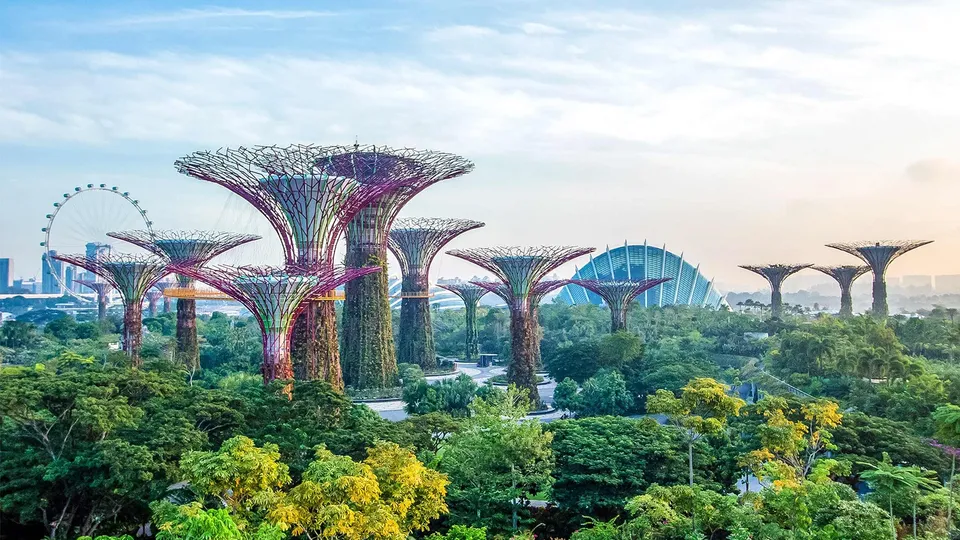
Gardens by the Bay
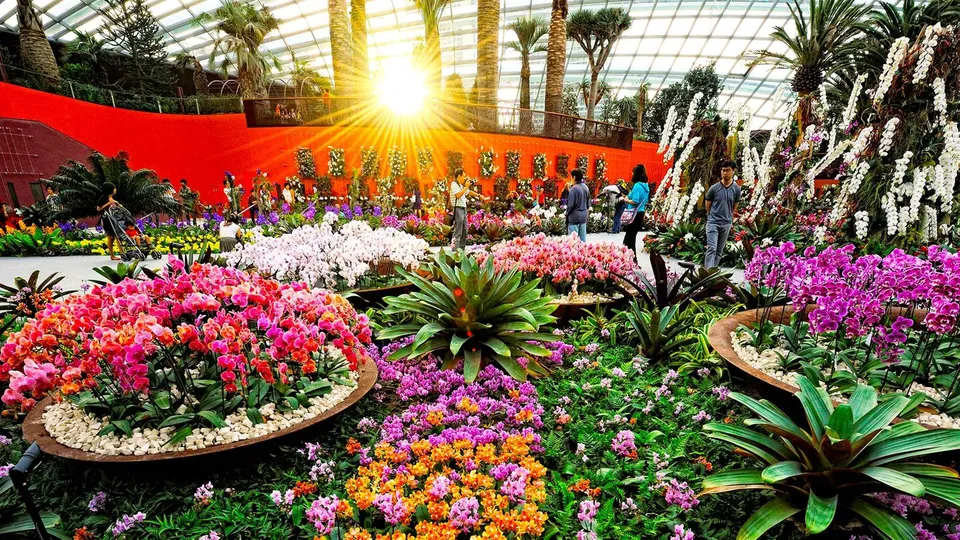
The Supertrees, the outdoor gardens and the 7.45pm light show are free. You pay for the two cooled domes, and residents pay a good deal less than visitors.
- Where: Marina Bay
- Price: Free

Green spaces and slower afternoons in the open air.
Typical spend per person, in Singapore dollars.
The Supertrees, the outdoor gardens and the 7.45pm light show are free. You pay for the two cooled domes, and residents pay a good deal less than visitors.
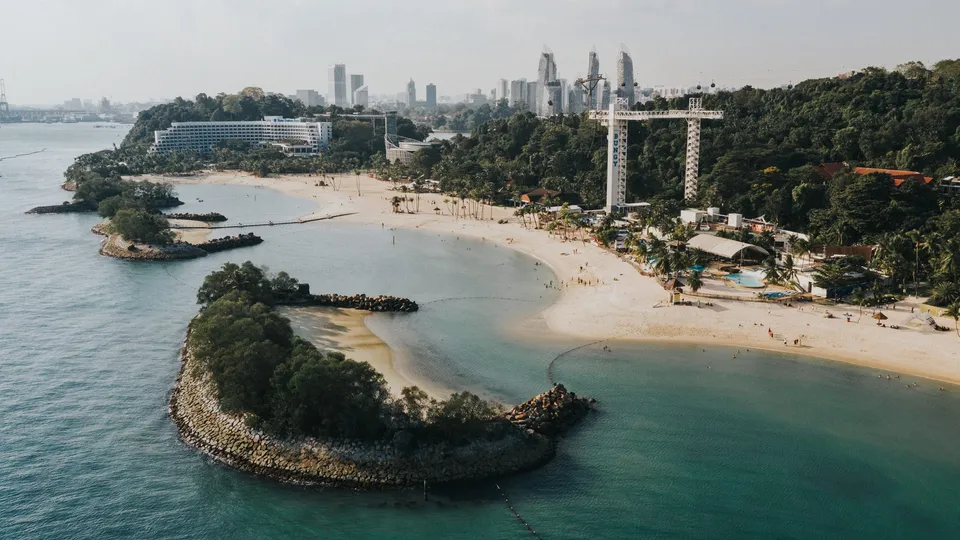
S$4 gets you across by train, and the beaches, Fort Siloso and the Sensoryscape lights are free. The rides and shows are where the money goes, so choose one or two and leave the rest.
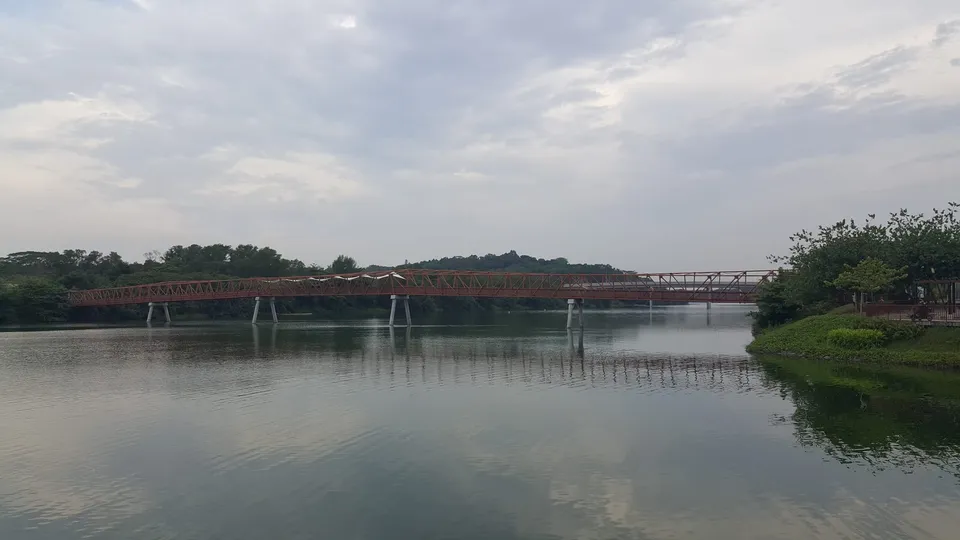
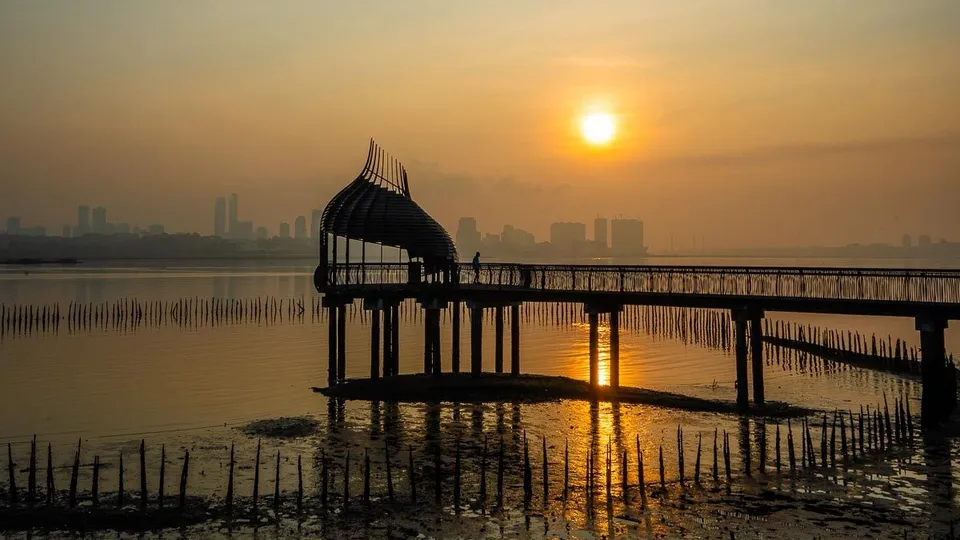
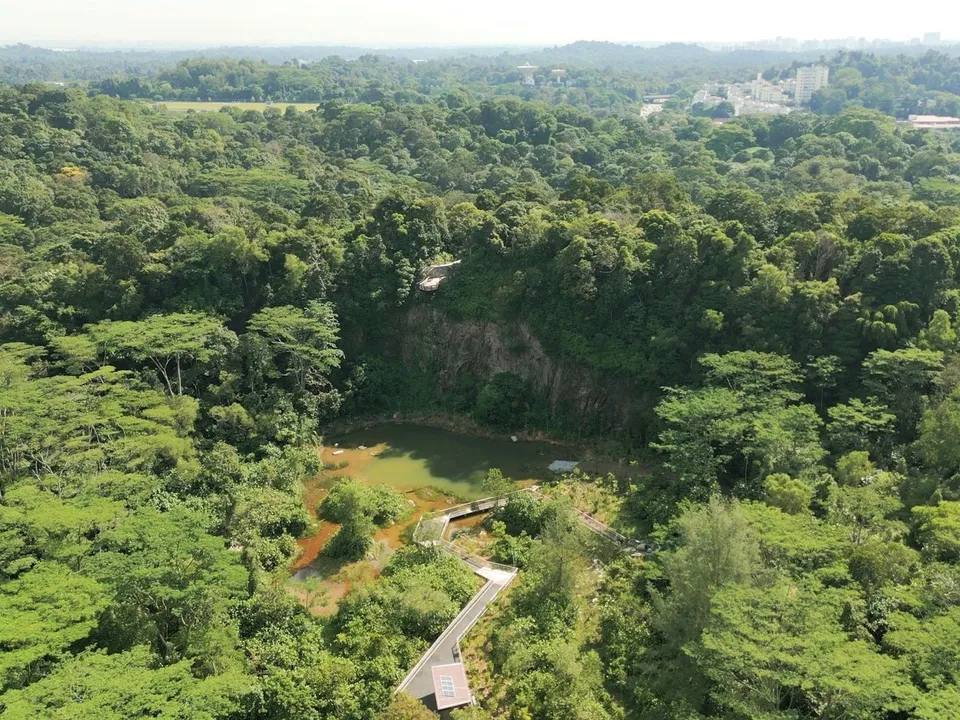
Thirty years as Singapore's landfill, now a reed-bed wetland that cleans its own leachate, with a red steel bridge over the reservoir that is the best sunset in Punggol. Bring water.
A floating boardwalk that rises with the tide, a lagoon that holds the sea and reef life in the pools at low tide. Pack lunch and water: the island sells neither.
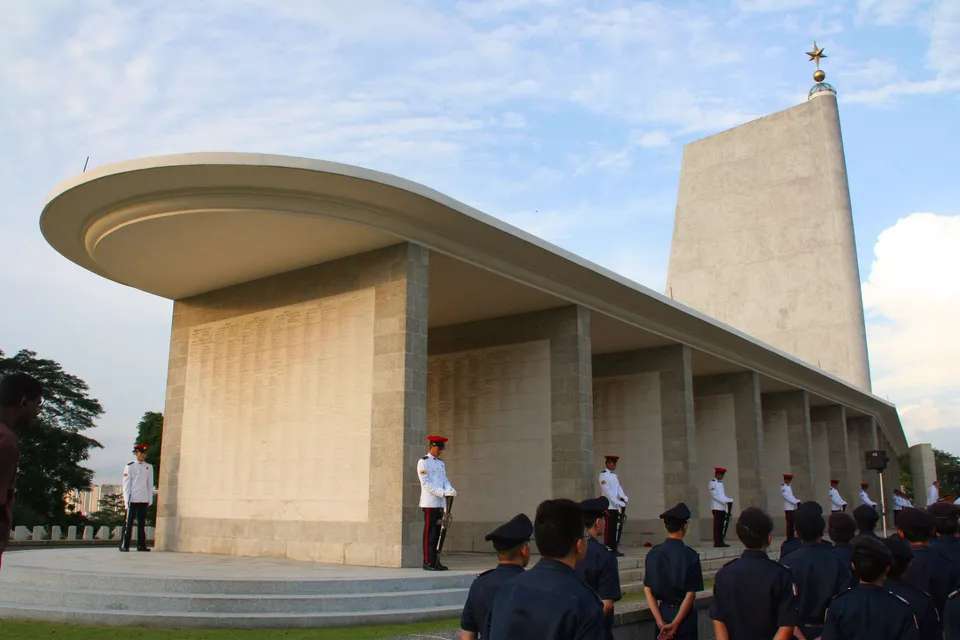
Rows of white headstones, twelve walls of names and the country's first two presidents next door, on a hillside in the far north. Go in the late afternoon and give it time.
A free, timed 5km every Saturday morning on the flat seafront path at East Coast Park. Register once, print your barcode and turn up before the heat does.
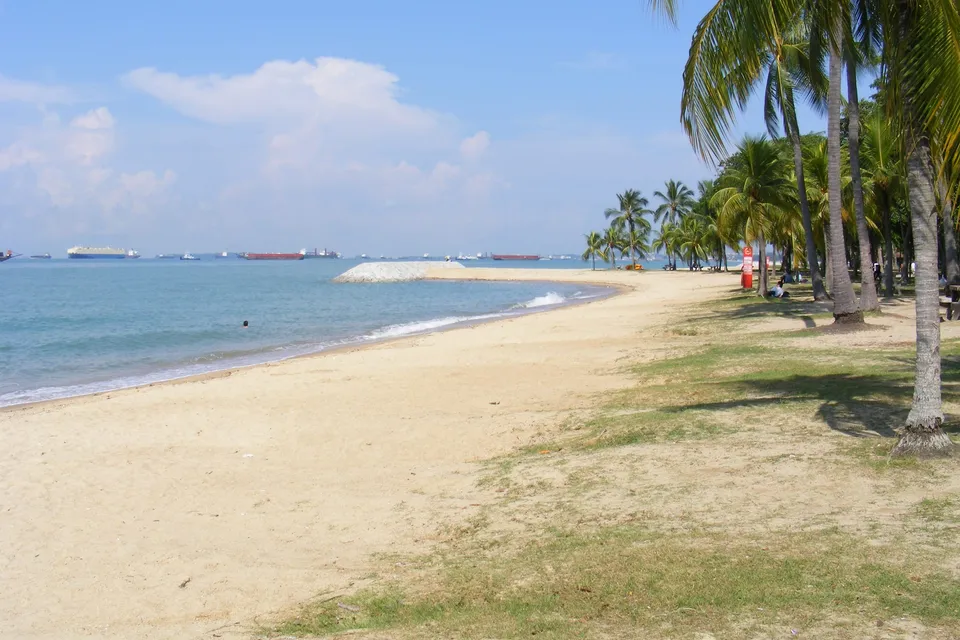
The east's barbecue beach: book a pit with NParks, bring a bike and watch the planes come in over the sea. Wear covered shoes on the rocks, and don't count on the Coastal Walk.
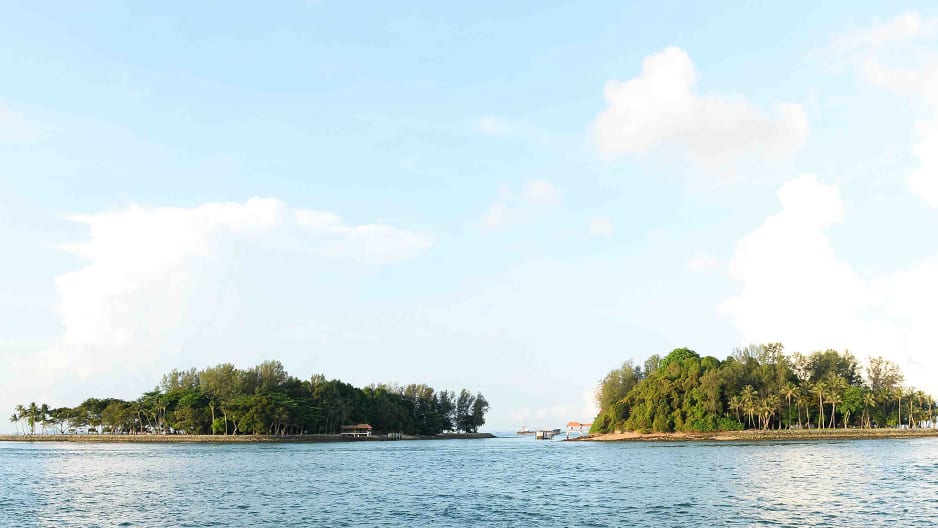
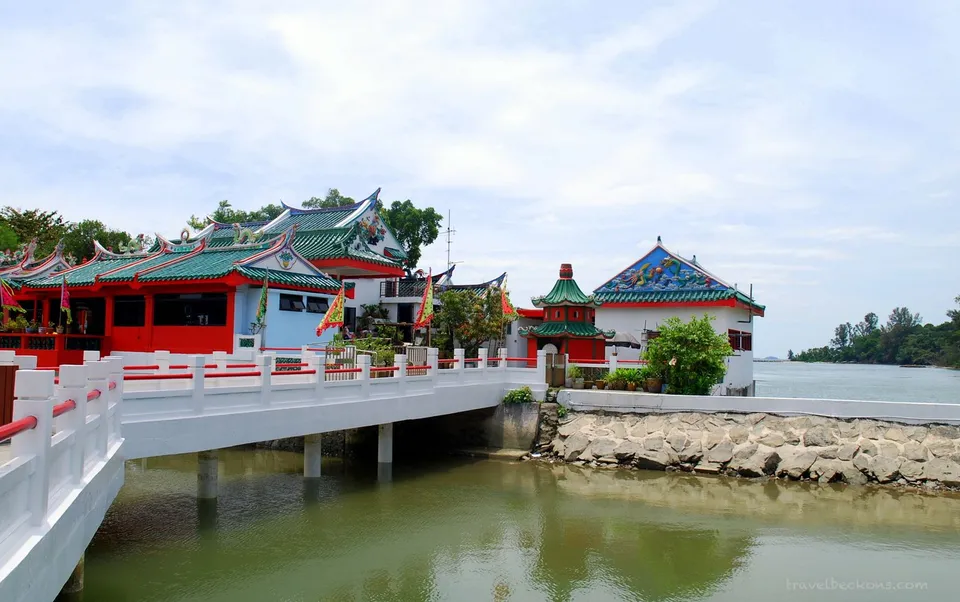
Pilgrimage season runs until 8 November: boatloads of devotees, special ferries only. After that it's two lagoons, a tortoise sanctuary and far fewer people.
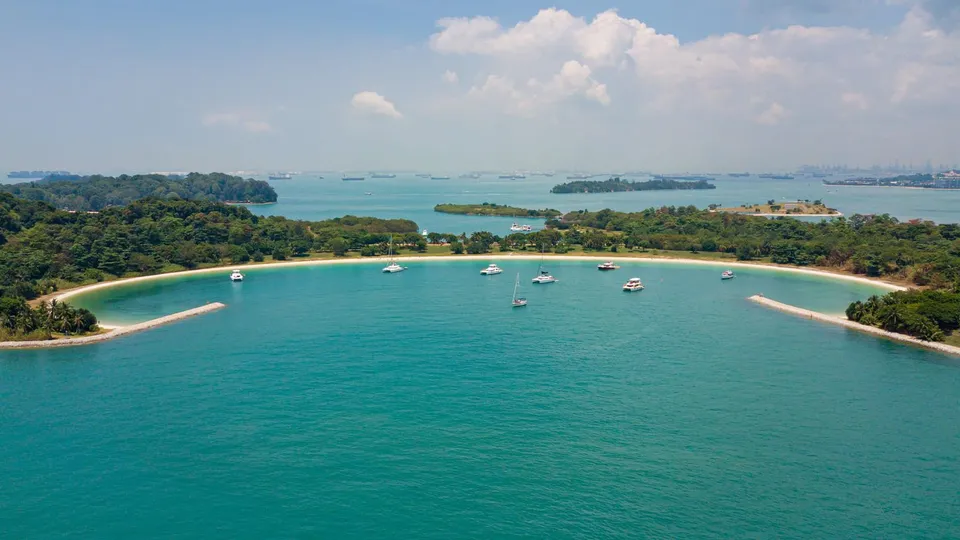
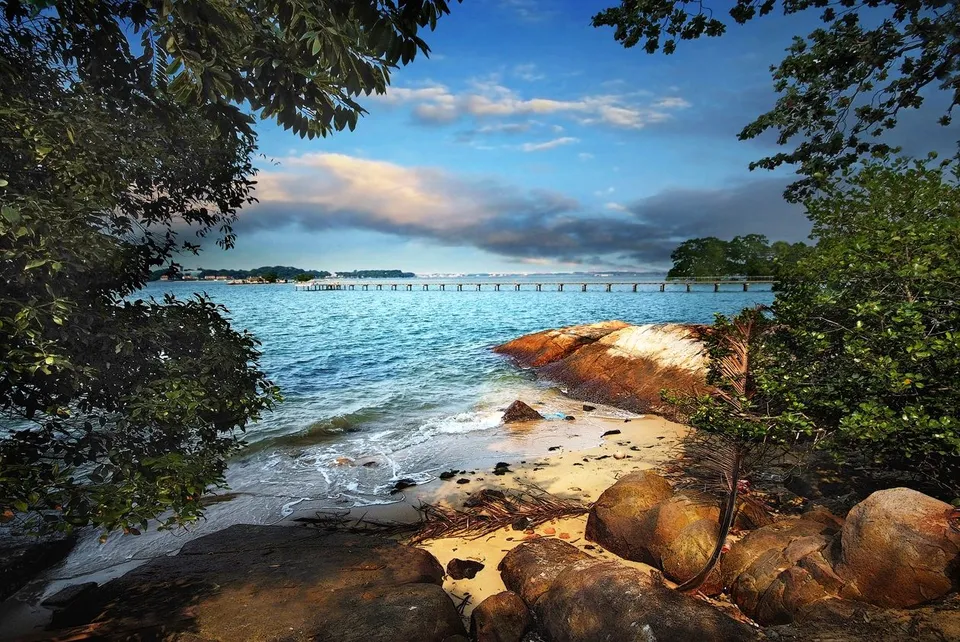
Imported sand, a crescent lagoon and, since the St John's jetty closed, every ferry landing here. The quiet beach is a little less of a secret, and still our pick of the islands.
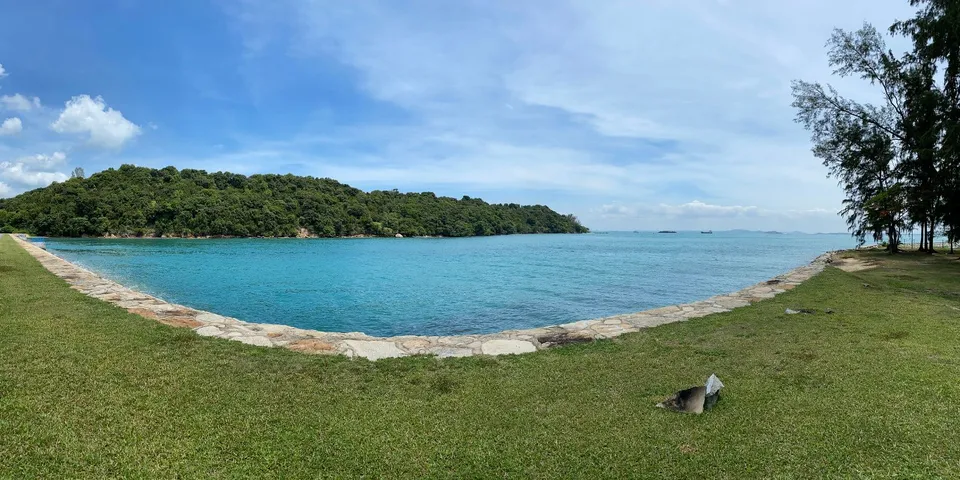
Singapore's old quarantine island, now a lagoon, a picnic lawn, a cat colony and a skyline view. The ferry lands on Lazarus, and the walk across is the price of the quiet.
Ten minutes from Changi Point to quarries, a working village and the Chek Jawa boardwalks. Pick one aim, and sort your boat home before you cross.
A heartland park left wild on purpose: marsh, dead trees kept for woodpeckers, bird hides and around 75 bird species. Bring binoculars; don't expect amenities.
Fresh air without a project: one waterside stroll, garden wander or nature reserve, picked for the weather and the company. Check closures first and let the place fill the day.
A park walk is better with something to look for. These give you one: roots, pollinators or the way water moves through the place.
For when the usual parks feel done: a quarry landscape, an ecological park in the east and an island day trip. Each takes more planning than a park walk, and repays it.