Chinatown to Keong Saik: Old markets and late rounds
Lunch at a Glasgow-made market hall or a food centre on an old burial ground, a skybridge 50 floors up at dusk, then Keong Saik for dinner and a drink.
Lunch here comes with a backstory, and the evening comes with a reservation.
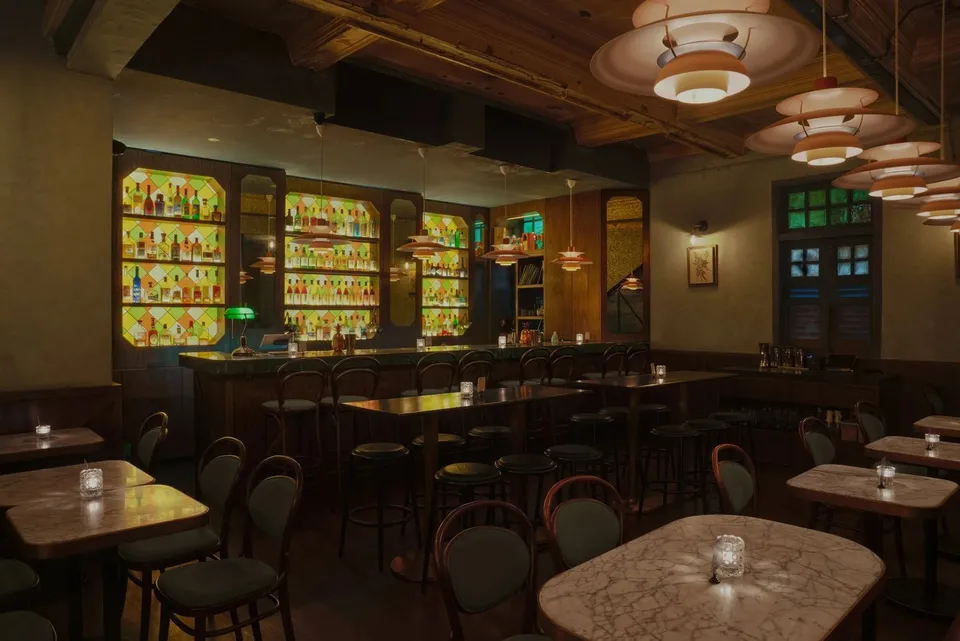
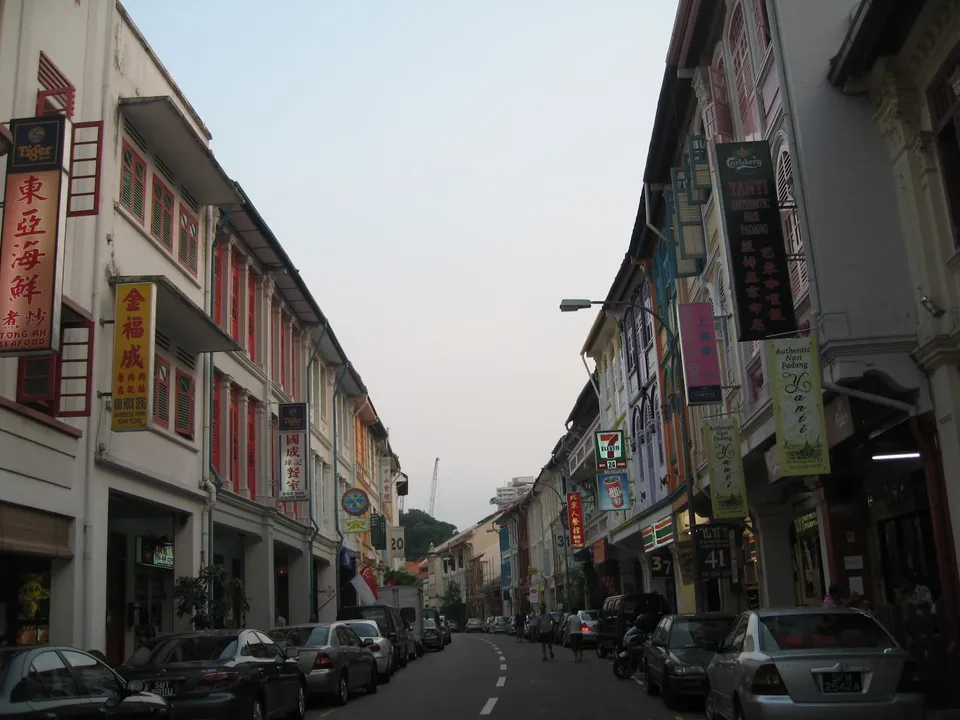
Come for a late lunch and stay for the night: that is how this neighbourhood works best. By day it belongs to the hawker centres and the CBD lunch crowd; by night the shophouses of Keong Saik, Amoy Street and Bukit Pasoh fill up with some of the most decorated bars in Asia. Eat at Maxwell, book Kok Sen for dinner and wear shoes you can walk in.
Best forHawker LunchesCocktail NightsZi Char with FriendsArchitectureCity Views on a Budget
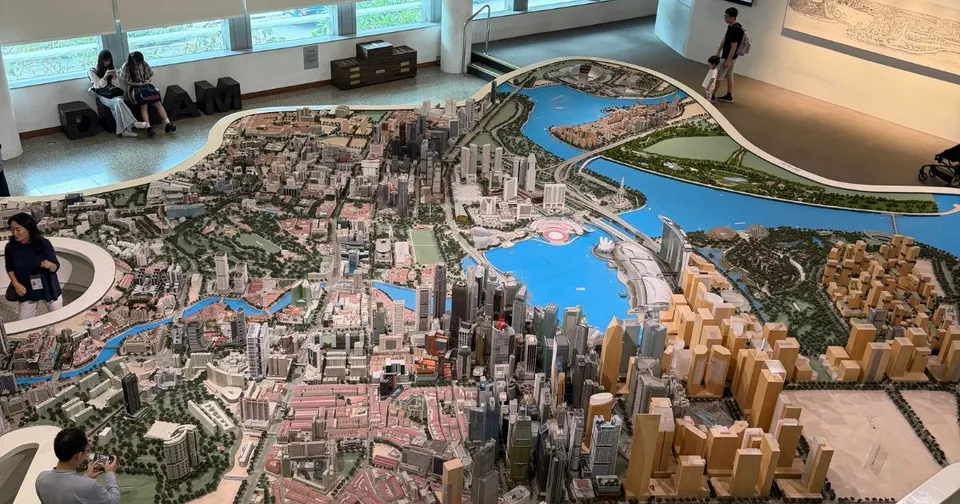
Free, and a good way to get your bearings: catch the projection show on the big architectural model, then try the conservation interactive, where you brush over old photographs to reveal the buildings as they look now. It closes in stages for a revamp from December 2026, so check before you go.
A few steps away. Tian Tian Hainanese Chicken Rice holds a Bib Gourmand and is closed on Mondays; the yellow ceiling fans mark the older section of the building, if you want a little archaeology with lunch.
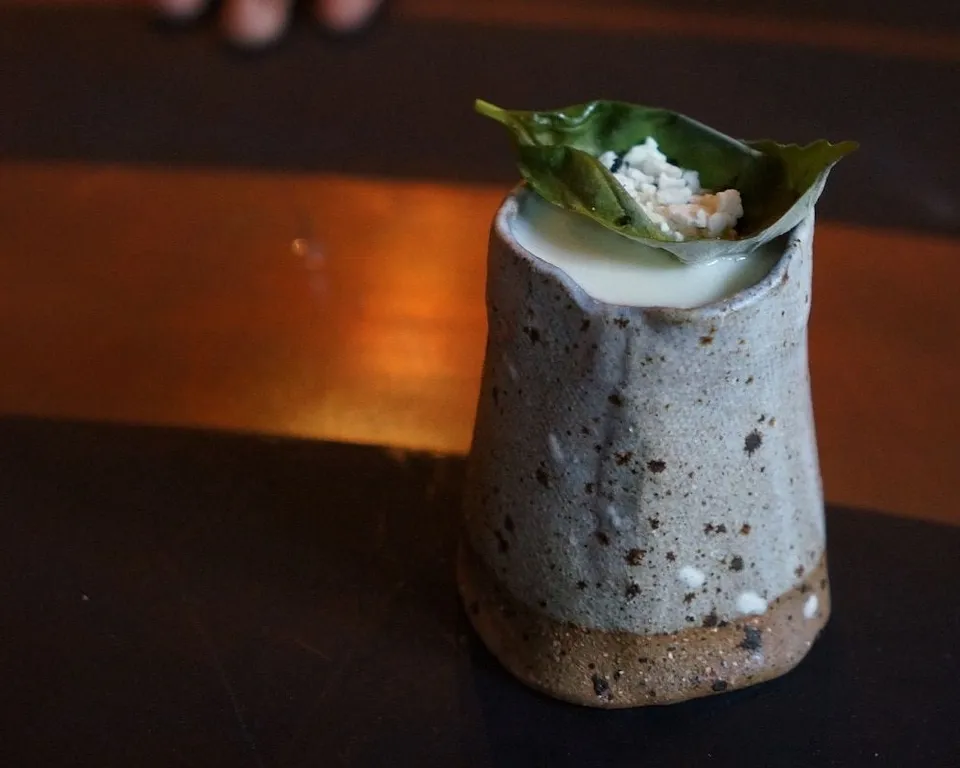
Walk off lunch past the shophouses and note Native, upstairs at 52A, for another night: it makes cocktails from regional spirits and foraged ingredients, and each drink arrives as a story about its ingredients and makers. It opens from 6pm and is closed on Sundays.
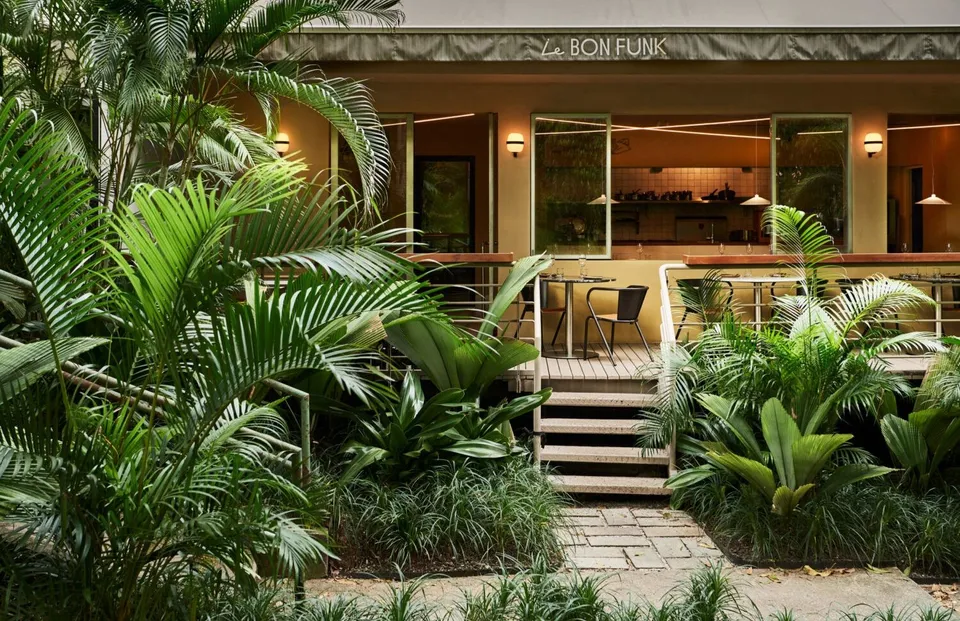
Le Bon Funk has poured natural wine here since 2018. Ask about by-the-glass pours that aren't on the printed list, and order the whole roast heritage chicken early, as it can take up to an hour.
The Pinnacle@Duxton skybridge
Go up as the light drops. Register at the managing agent's office at Block 1G, Level 1, using an EZ-link card as your ticket, ride to the 50th floor, then look south from the 1G lookout and west from 1A.
Duxton Hill
Walk down the curving lane of conserved shophouses and note Praelum Wine Bistro at No. 4 for later. It's a grown-up wine bar where you walk into the cellar to pick a bottle or ask for a flight, and its one-for-one corkage means one bottle of your own for each bottle bought from the list.
Keong Saik Road
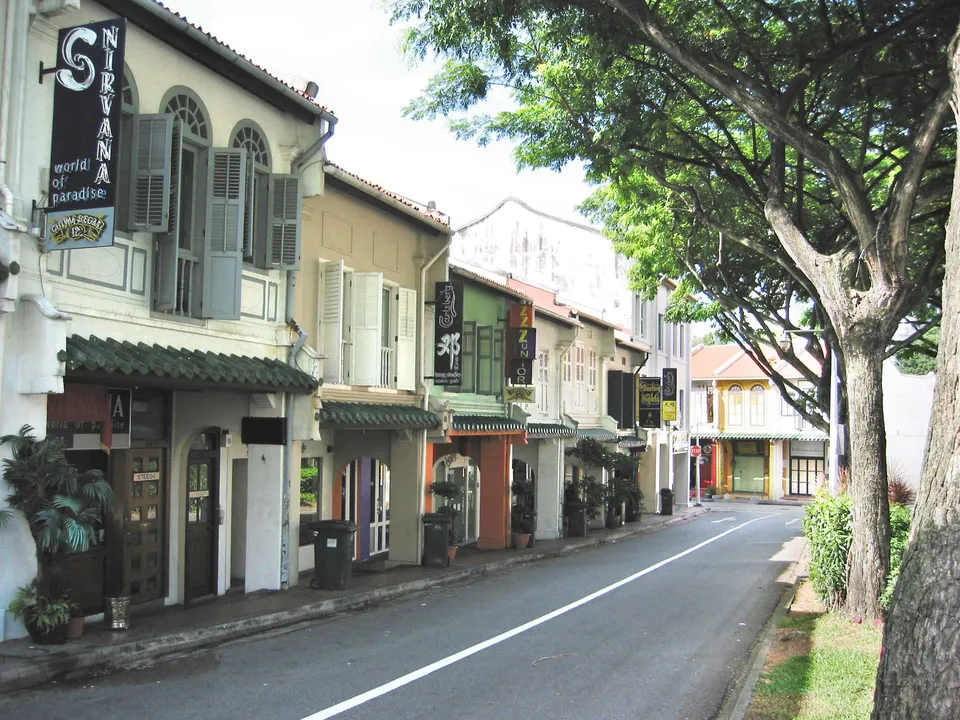
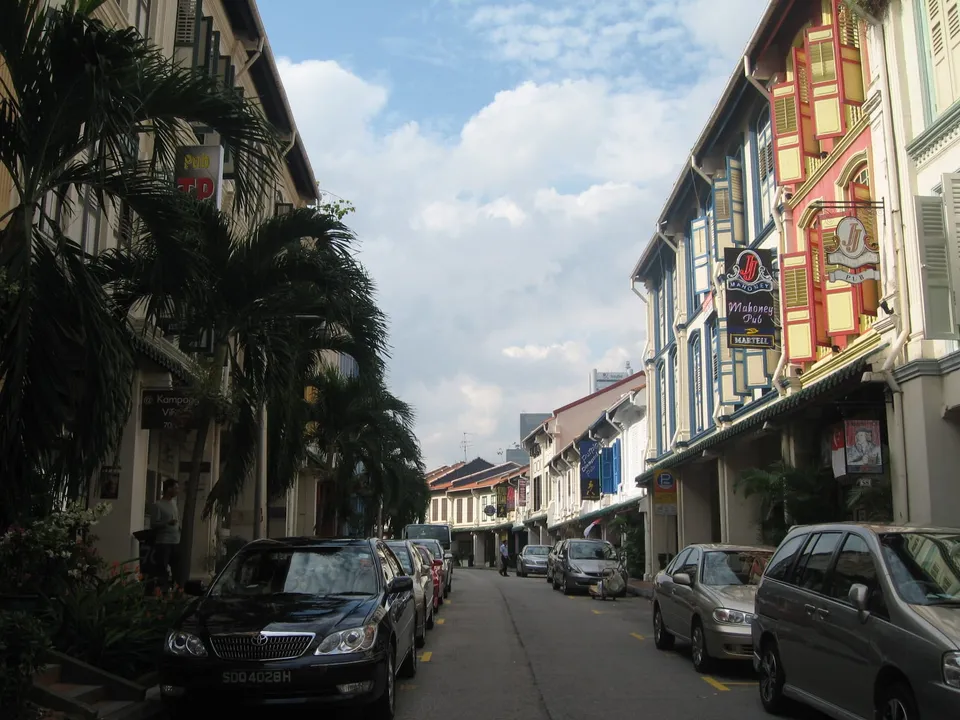
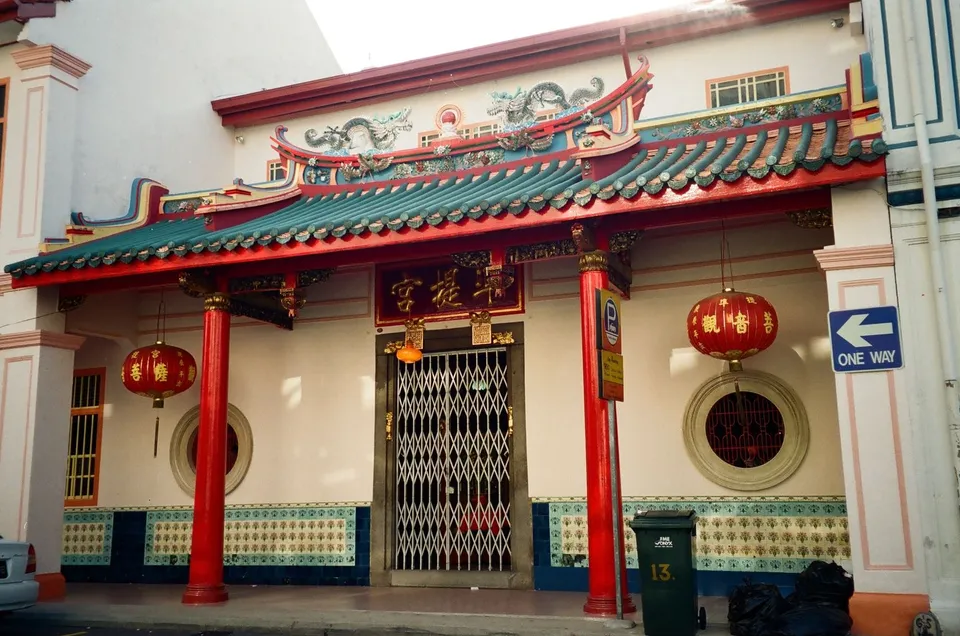
Admire the carvings of the temple at No. 73 from the street, and dress respectfully if you step in; the small Cundhi Gong Temple at No. 13 sits wedged between the restaurants. Dinner is Kok Sen at 2/4: order the prawn paste chicken, a fish dish and one stir-fry from the wok, because that is what a zi char kitchen is for. For a nightcap close by, two Employees Only alumni run Your Mother's House at No. 20, sharing-sized Indomie goreng included.
End at No. 20, a restored 1930s shophouse. Gibson is up the stairs on the second floor with its namesake martini, garnished with pickled pomelo and a smoked quail egg, and Live Twice sits alongside if you'd rather have mid-century Tokyo and a katsu sando.
What reviewers say
Don't write Lau Pa Sat off as a tourist hall: go in the evening for Satay Street, and keep weekday lunch for Maxwell or Amoy Street.
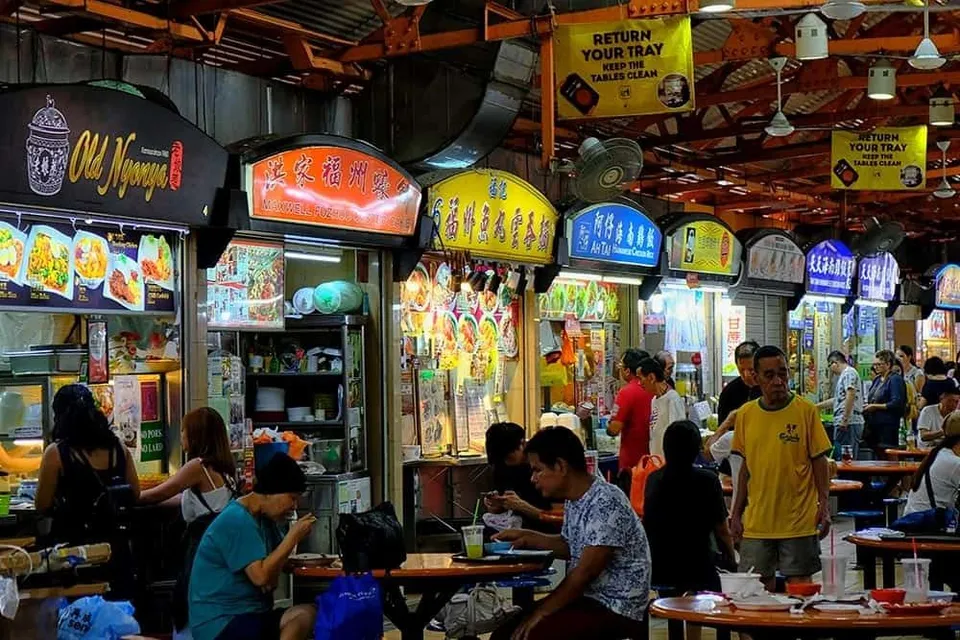
At Maxwell, if the Tian Tian queue is long, Ah Tai's chicken rice is the sensible alternative; Hup Kee's handmade ngoh hiang and Jin Hua's fish head bee hoon are the other orders worth your tray.
At Live Twice, order a katsu sando, the ebi version if you like prawn; at Gibson, order the fries with the martini.
Book Praelum when you want a crash course in wine rather than a lecture: walk into the cellar or ask for a flight. Keong Saik is the street for dinner and a drink in the same evening.
Take children up to the skybridge: there is a rooftop play area, and the small fee makes it the easiest high view in town to justify.
Two gelato flavours made with Queic’s cheesecakes, Buttery Blue Cheese and Eazy Brie-zy, are on at Messina on Club Street until 8 November, while stocks last.
OVER, the competitive eater’s first restaurant, sold out its kitchen in its opening days and reopened on 28 October. Every dish comes in three sizes, up to challenge platters.
Fifty-plus years of wok hei on Keong Saik, now air-conditioned and holding a 2026 Bib Gourmand. Bring a group, go at weekday lunch, and order the big prawn hor fun.
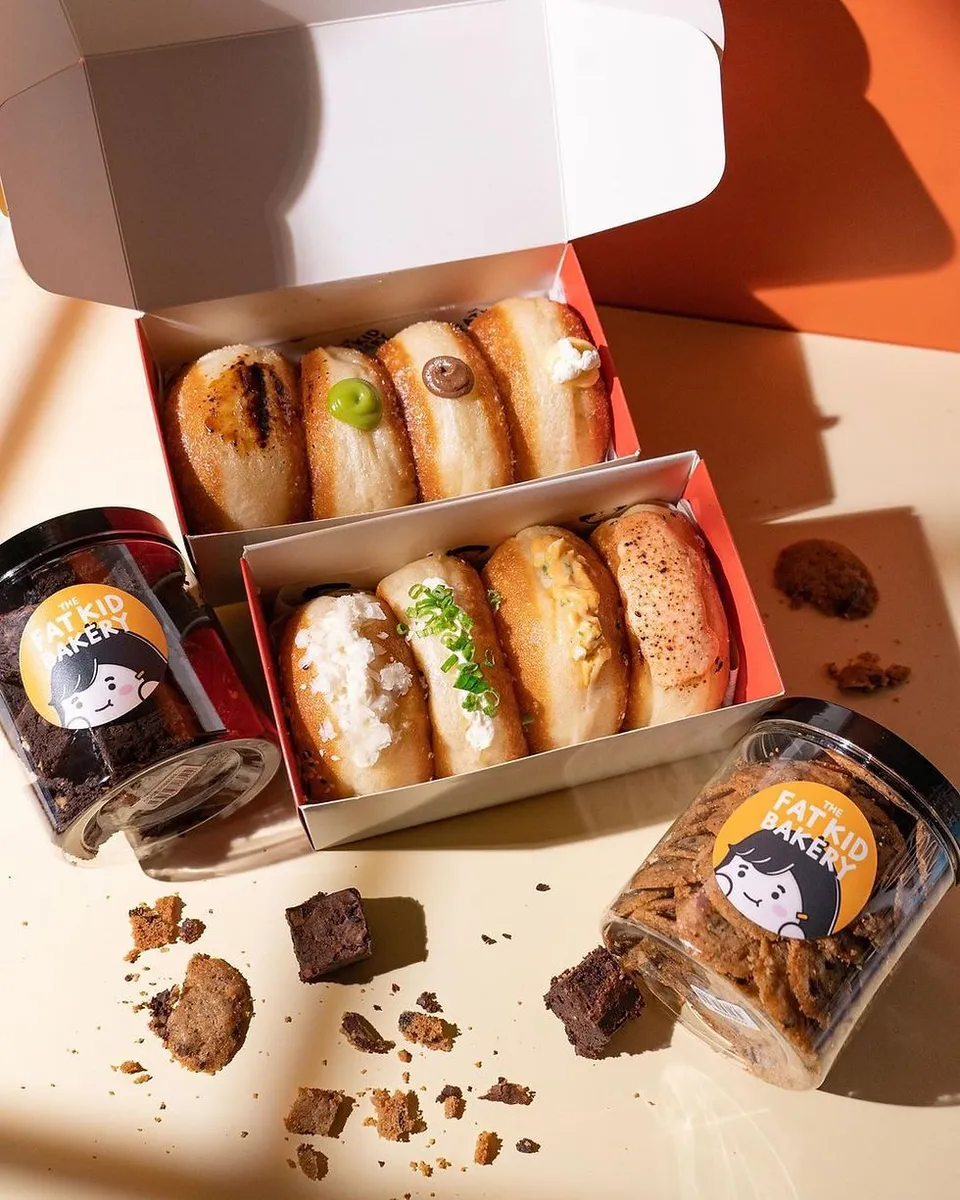
Sourdough bombolini stuffed sweet or savoury, from a lockdown side hustle that had sold more than 200,000 by 2025. Go mid-afternoon, eat them the same day; closed Sundays.
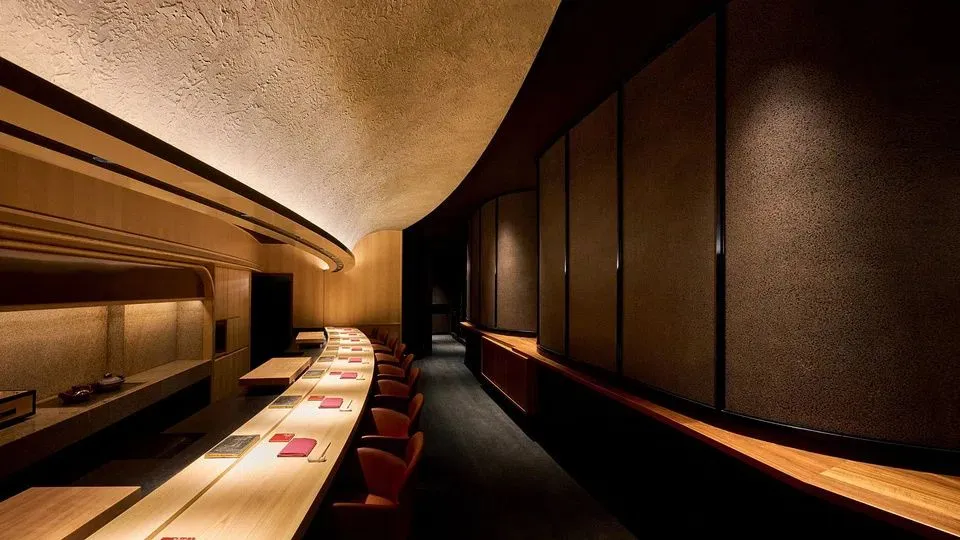
Starred sushi without the hush: Kazuhiro Hamamoto's 12-seat curved counter on Tras Street, built to get strangers talking. One seating per service, so book well ahead.
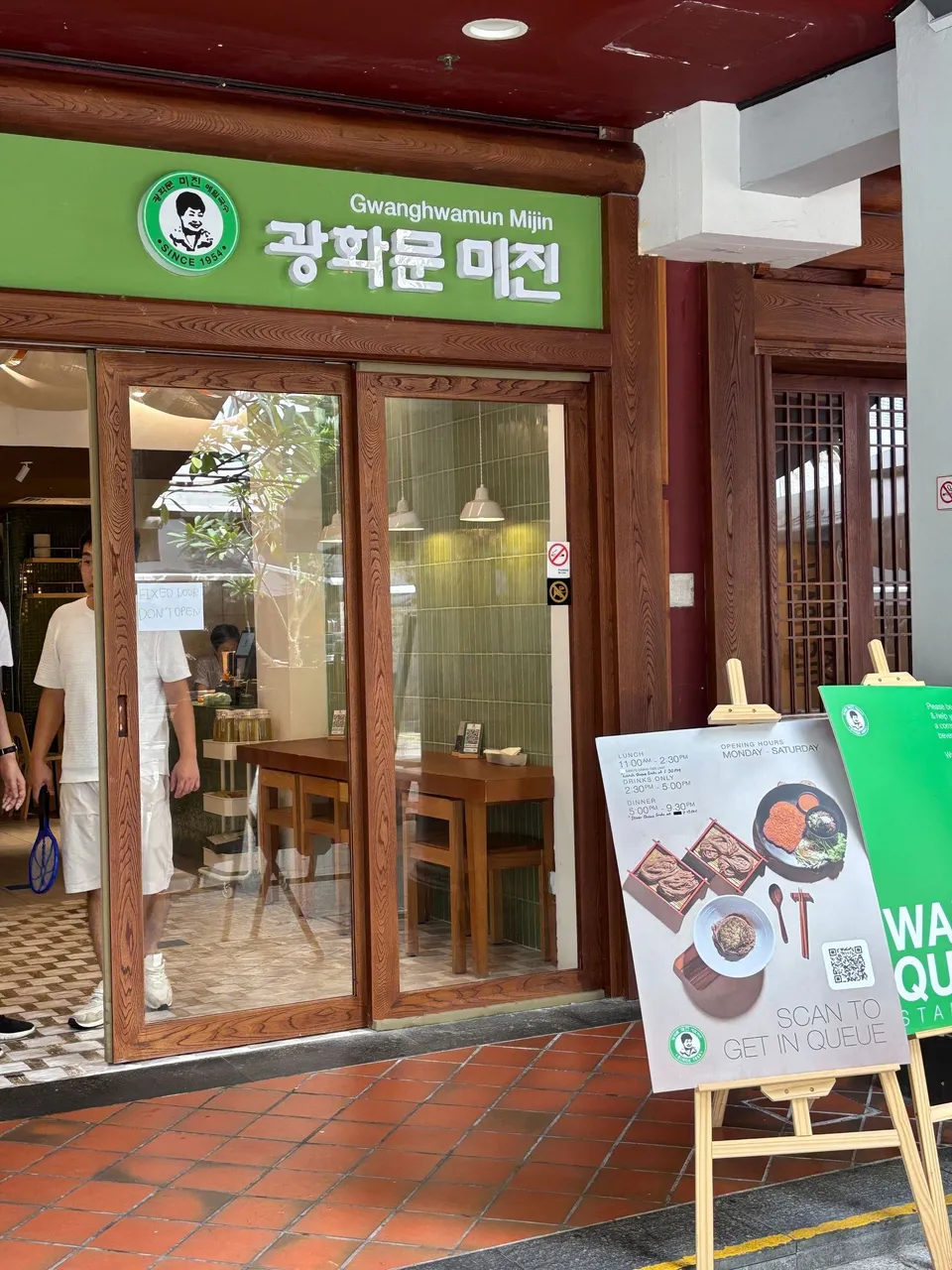
Seoul's 1954 buckwheat noodle shop at Far East Square: chilled noodles with a kettle of seafood broth you pour yourself. Order the signature set or the Singapore-only salmon version, and book.
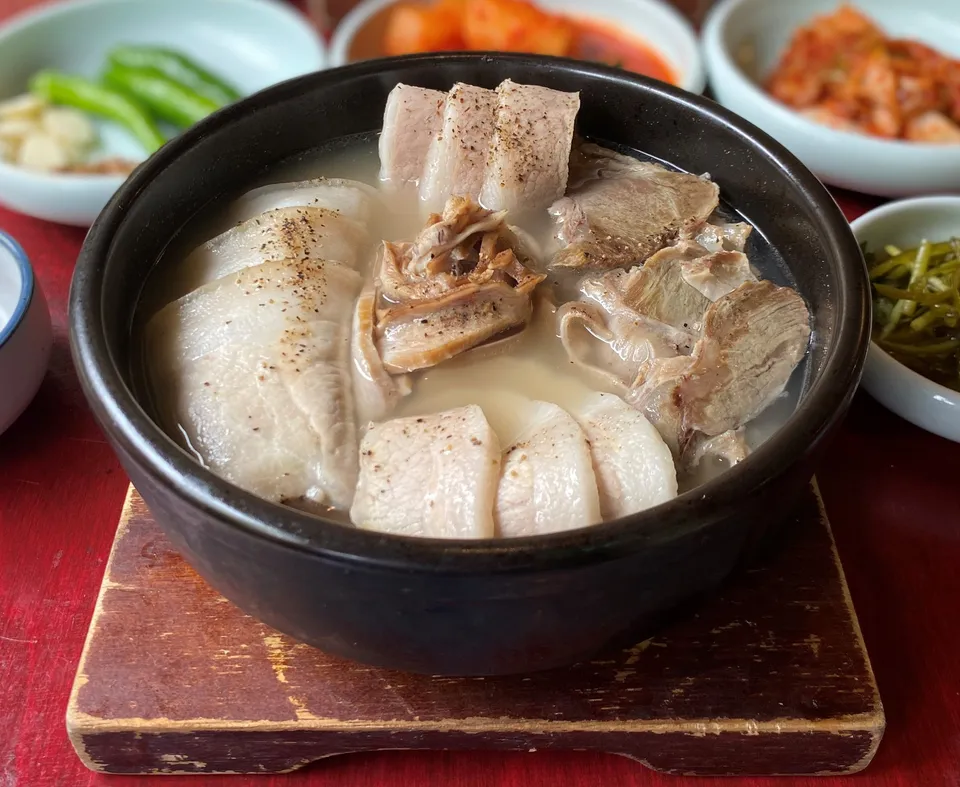
Singapore's Busan pork soup specialist: four kinds of dwaeji gukbap at S$22++ until 3pm, then Jeju-style pork barbecue. Three outlets, all in town; none in Jurong.
Louis Han's one-star Telok Ayer counter turns his childhood into a tasting menu: buckwheat noodles with fried dumplings, Jeju abalone, a jujube tuile under black truffle.
A hand-built Duxton Hill bar that writes six new cocktails on the window every week and wipes them the next. Order off the window; the Sesame Negroni is the one constant.
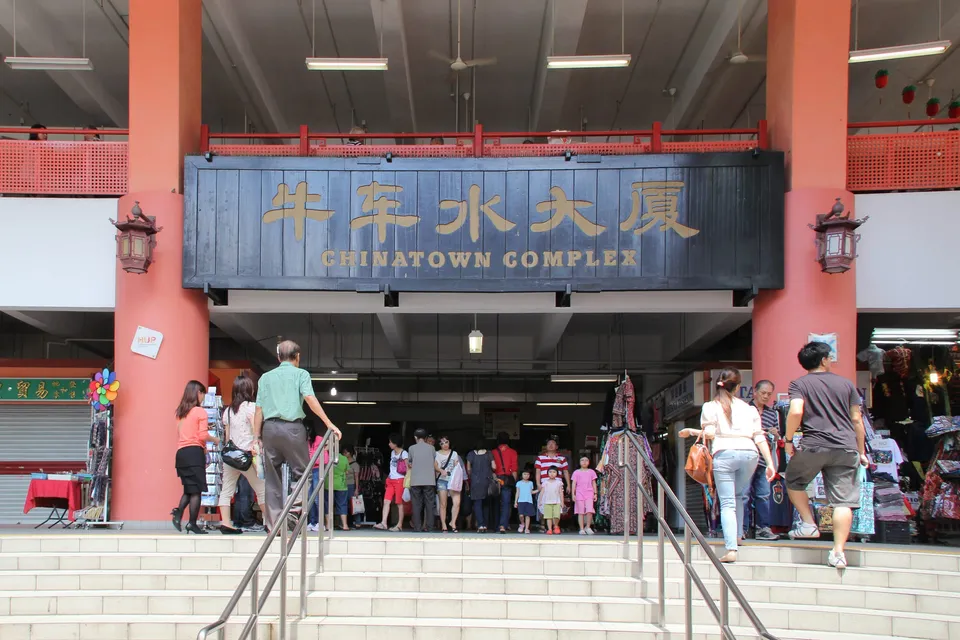
A dozen-plus rotating craft taps at a hawker stall on the second floor of Chinatown Complex. Pint in one hand, satay from the Malay stall next door in the other.
Walk through a focaccia deli and find the red door: a 60-seat lounge that treats champagne as a weeknight drink. Go late, start with a glass, and check Instagram for hours.
A Duxton Road listening bar with floor-to-ceiling vinyl, vintage JBLs and shochu where the whisky would usually be. For people who would rather listen than talk.
Cocktails built from Little India – a spice corner to smell, tequila with flower crab – and a lamb hotdog in a garlic ghee bun. No.58 on Asia’s 50 Best Bars’ extended list in 2026.
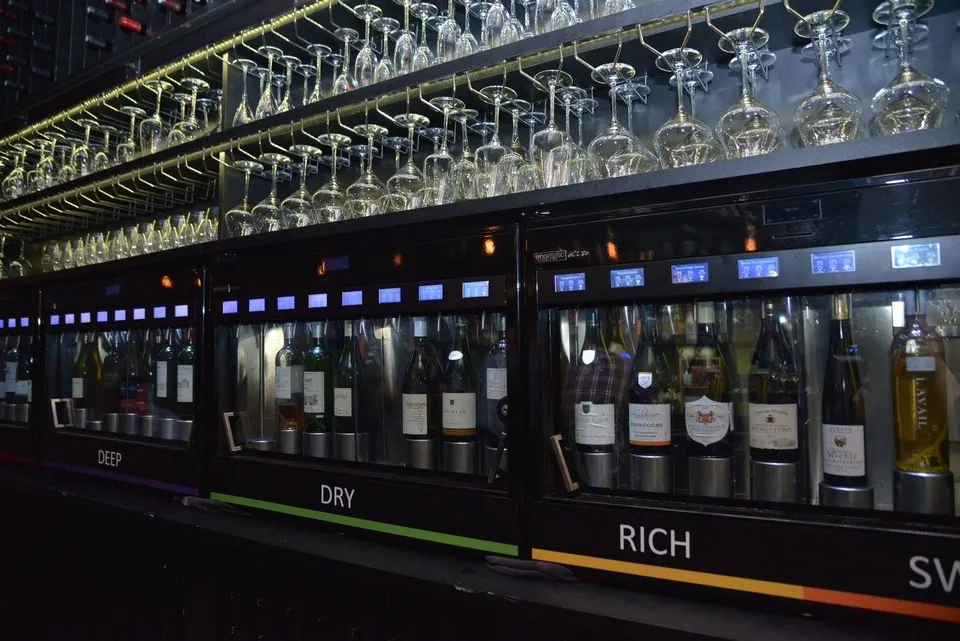
Thirty-two European wines on Enomatic dispensers, three pour sizes, reds filed under smooth, fruity or spicy. Telok Ayer's gentlest wine school, with a brasserie attached.
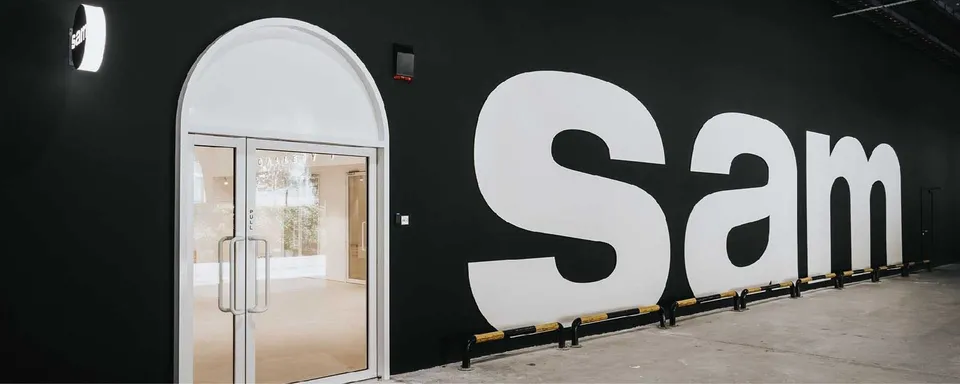
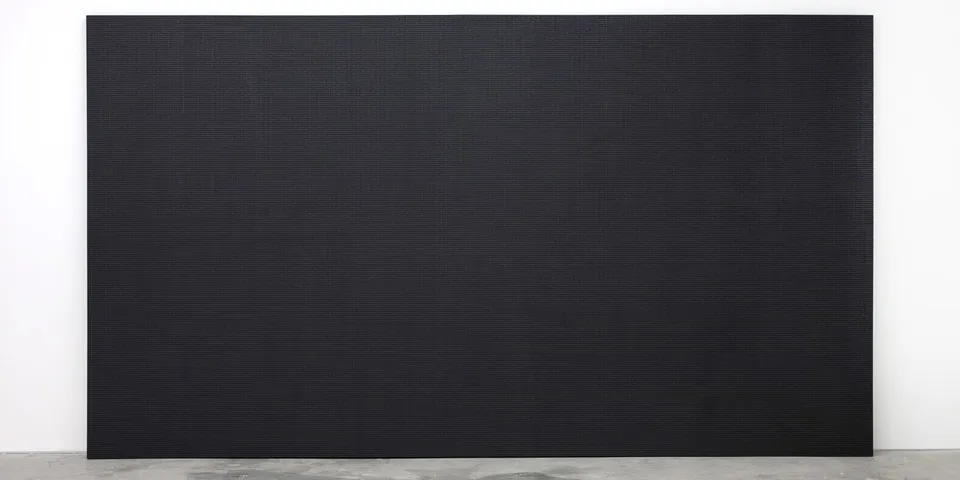
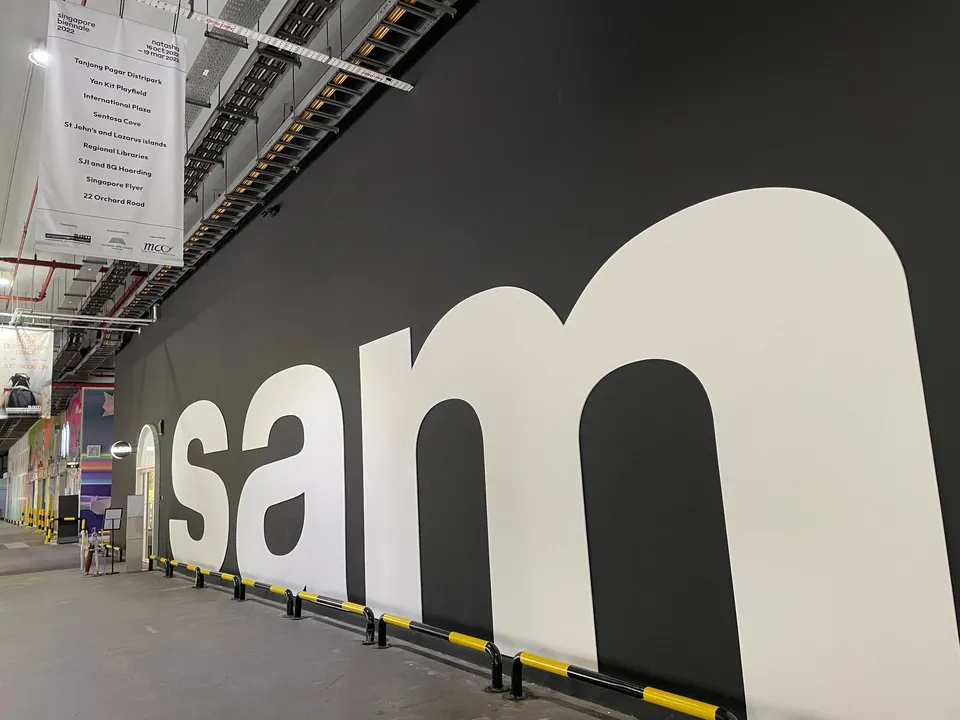
Hand-painted brick canvases begun in 2008, duhat-wood towers and four films, at SAM until 22 November. Free for citizens and PRs; go slowly, and go soon.
The last chapter of SAM's project on forgotten and erased stories, from 27 November: oral histories and memory, not spectacle. Free for citizens and PRs; save it for a slow December afternoon.
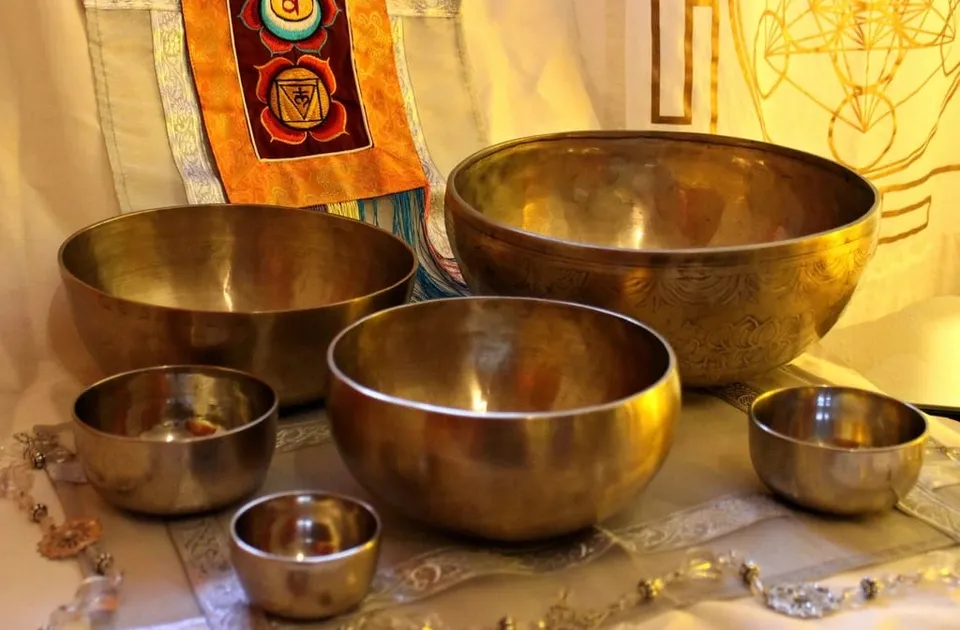
Gongs, Tibetan singing bowls and crystal bowls on a quiet Telok Ayer side street. Start with the Gong Nidra if you've never meditated; there's nothing to get wrong.
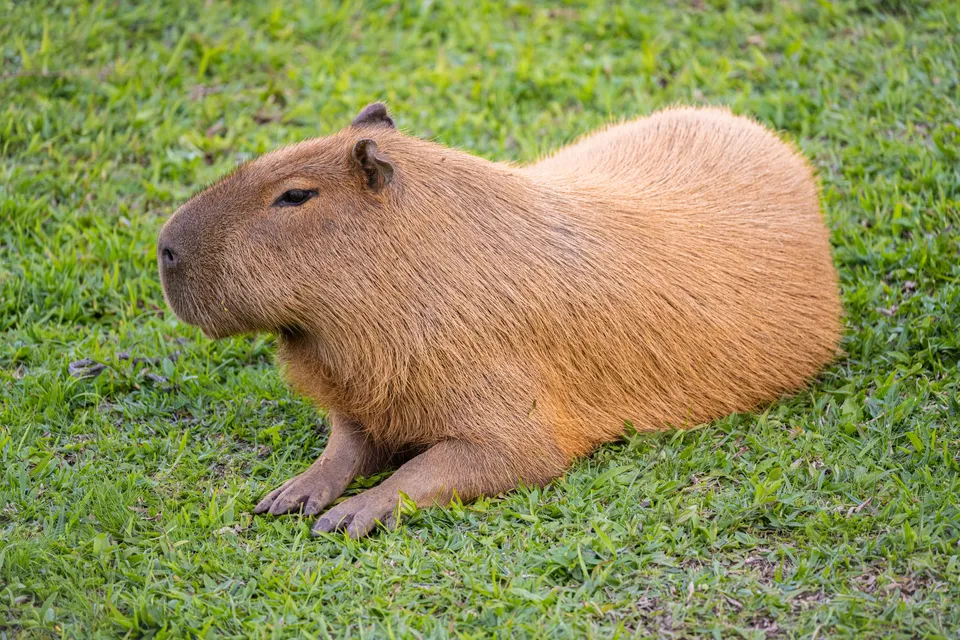
A 90-minute hot–cold circuit in a Tras Street shophouse, named after the rodent that sits in warm water doing nothing. Phones stay in the locker, which is the hard part.
A two-storey 1928 temple on Keong Saik Road with porcelain dragons on the roof ridge, Belgian floral tiles on the five-foot way and painted trusses overhead. Five minutes, if you look up.
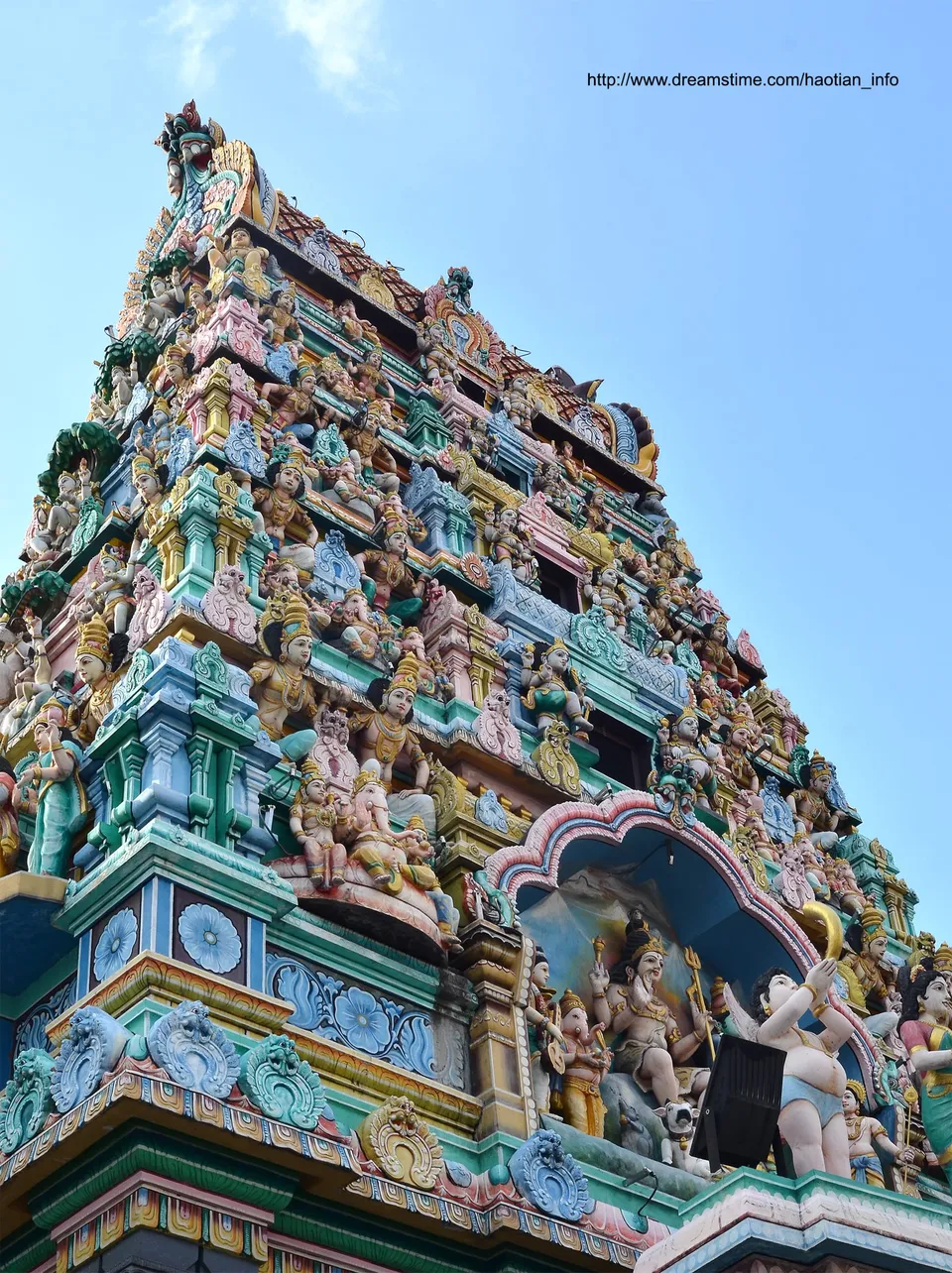
A Hindu temple to Ganesha at the top of Keong Saik Road since 1925, with a five-tier gateway tower carved by craftsmen from India. See it from across the junction, then quietly inside.
Chicken rice at Maxwell before the lunch rush, a Tang-style temple with a rooftop prayer wheel, then snow ice on Temple Street. Three stops a short walk apart; not on a Monday.
Where: Chinatown
The story of Chinatown, Tanjong Pagar & Keong Saik
The markets carry their history in their foundations. Chinatown was so crowded by the 1930s that the colonial Singapore Improvement Trust built Tiong Bahru's flats to rehouse its families. Maxwell opened in 1928 on a former Chinese burial ground, spent years competing with unlicensed hawkers outside its own doors, and became a cooked-food centre in 1987. In the CBD, Lau Pa Sat's cast-iron octagon was made in Glasgow and completed in 1894, taken apart piece by piece in the mid-1980s for MRT works, then put back together on a new foundation. The name means "old market", and it has earned it.
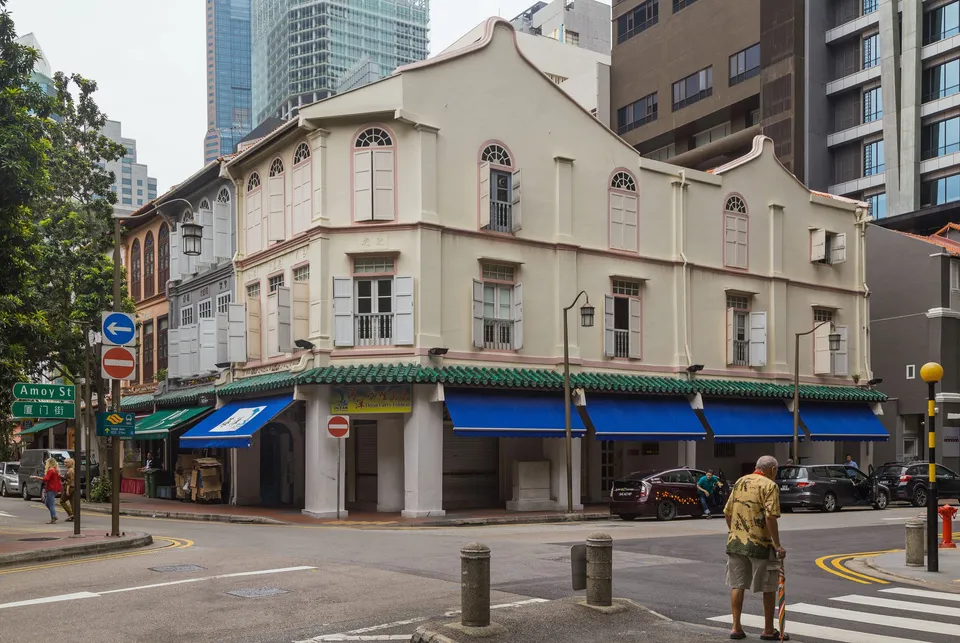
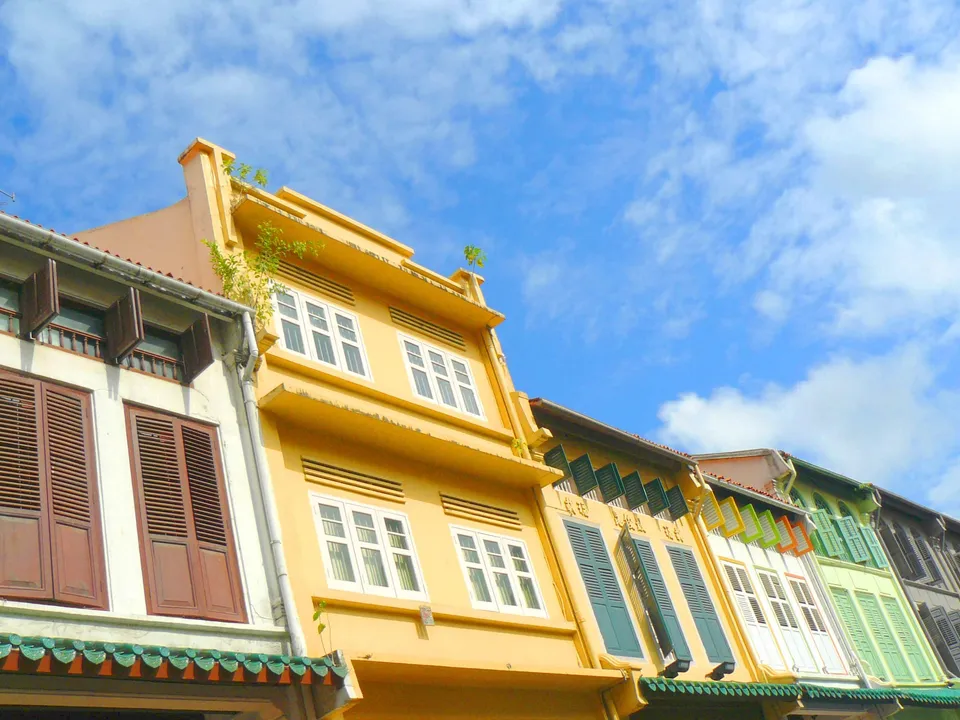
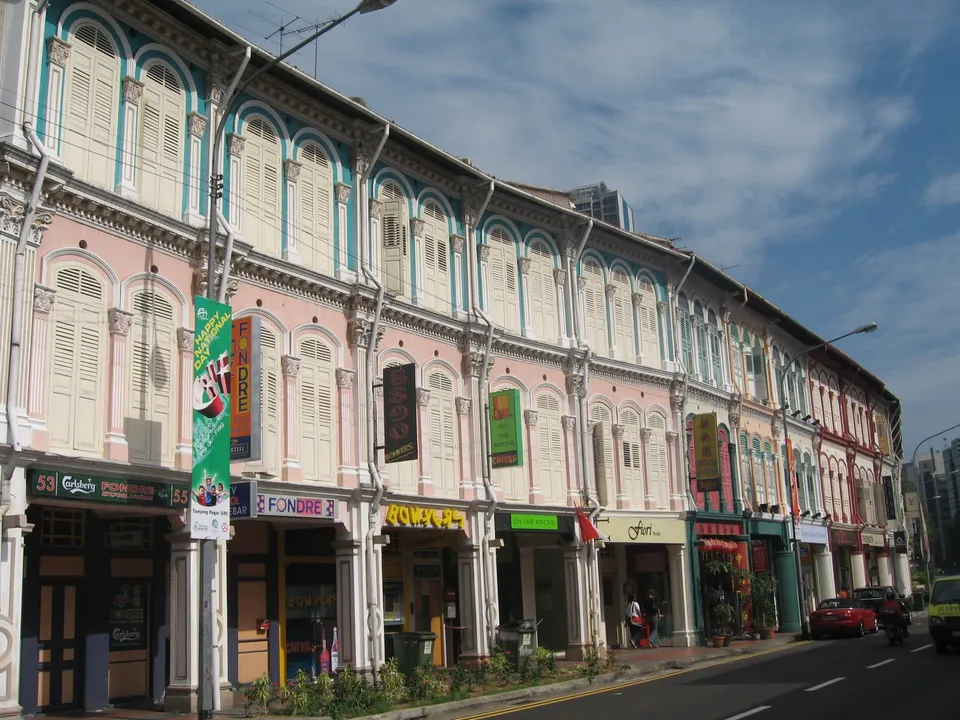
Keong Saik Road is named after Tan Keong Saik, a Malacca-born businessman honoured in 1926 for his work in the Chinese community. Its two oldest buildings are places of worship: the Sri Layan Sithi Vinayagar Temple, built in 1925 and given its five-storey gateway tower in 2007, and the Nanyang-style Cundhi Gong Temple of 1928, dedicated to Guan Yin. The shophouses were conserved between 1989 and 1991, and the restaurants have been turning over ever since. The constant is Kok Sen, a zi char kitchen that has fed diners for over 50 years and holds a Bib Gourmand. Above the shophouses, Jigger & Pony, now in the Amara Hotel, made The World's 50 Best Bars in 2026 and was again named Best Bar in Singapore.
Up the slope, Duxton Hill is quieter, a curl of conserved shophouses where Praelum has poured wine since 2011. Above it rise the seven 50-storey towers of The Pinnacle@Duxton, completed in 2009 on the site of Tanjong Pagar's first ten-storey HDB blocks, and its 50th-floor skybridge is open to the public for a small fee. Down by the port, the Singapore Art Museum has settled into a warehouse at Tanjong Pagar Distripark.